Yosemite National Park Hiking Trails Guide for All Skill Levels
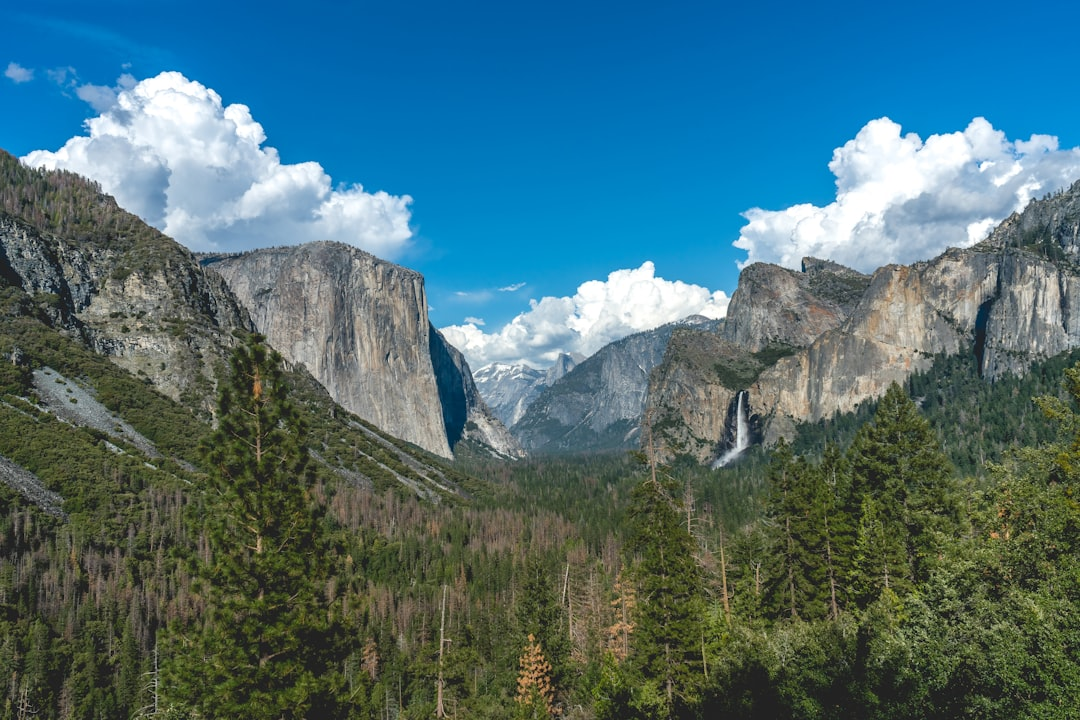
Yosemite National Park hiking trails are hands down the best way to experience one of California’s most legendary landscapes — and every step rewards you with views that no photo can fully capture. Whether you crave an easy waterfall stroll perfect for families, a moderate trek through ancient sequoia groves, or an epic challenge like the infamous Half Dome cables, Yosemite’s 800+ miles of trails offer something extraordinary for every skill level. This guide breaks down the best hikes, what to expect, and how to plan your perfect Yosemite adventure.
This article may contain affiliate links. If you book or buy through one, California Wanderer may earn a small commission at no extra cost to you. As an Amazon Associate I earn from qualifying purchases.
The park boasts over 800 miles of trails, giving you countless ways to experience its majestic meadows, giant sequoias, and crystal-clear lakes. I’ve found that no matter your pace, there’s a trail that can fit your day perfectly, from quick nature breaks to full-on adventures like Half Dome or Cloud’s Rest.
Expect stunning views that reward both casual walkers and seasoned hikers alike. Ready to hit the trails but wondering where to rest your feet or how to deepen your experience?
Stick around because I’ll also share some solid options on where to stay near Yosemite and recommend a few tours that help you get the most out of your visit.
Scenic Trail Highlights

Yosemite’s trails offer standout experiences that combine dramatic landscapes with classic park features. You’ll find roaring waterfalls, sweeping vistas, and serene overlooks that all deliver a vivid taste of Yosemite’s natural beauty.
Mist Trail Features
The Mist Trail is a quintessential Yosemite hike, famous for its close-up views of two powerful waterfalls: Vernal Fall and Nevada Fall. As you climb, expect to get a little wet from the spray, especially near Vernal Fall’s base, where the trail hugs the rushing water.
Steep granite steps lead you upward, rewarding every effort with spectacular views of white water crashing down. The trail is about 7 miles roundtrip to Nevada Fall, making it fairly strenuous but manageable for many.
Bring sturdy shoes and be prepared for changing conditions—cool mist can chill you even on warm days. The trail also passes through lovely shaded forest sections and granite cliffs, adding variety.
It’s one of Yosemite’s most popular and iconic hikes, offering a mix of adventure and spectacular water features. You can learn more about this trail from the U.S. National Park Service trail descriptions.
Panorama Trail Views
If sweeping panoramas are your thing, the Panorama Trail won’t disappoint. This route connects Glacier Point to the Mist Trail, offering stunning overlooks of Yosemite Valley, Half Dome, and the High Sierra peaks.
The highlight is Glacier Point itself, perched over 3,200 feet above the valley floor. Hiking from here down toward the valley, you’ll encounter a variety of landscapes—meadows, forest, and rocky terrain—with views that feel like a gallery of Yosemite’s most dramatic sights.
Expect a long day (about 8.5 miles one way) but the payoff is massive exposure to the park’s breadth. The trail also features Cascade Falls and Illilouette Fall, less crowded but no less scenic.
If you want a glimpse of Yosemite’s grandeur without the crowds, this trail balances elevation and sweeping views perfectly.
Yosemite Falls Overlook
Few sights capture Yosemite’s spirit like Yosemite Falls, the tallest waterfall in North America. The Yosemite Falls Overlook Trail is a shorter, less crowded alternative to climbing all the way to the top.
From the overlook, you get a fantastic vantage point of both the Upper and Lower Falls framed by dramatic granite cliffs. The trail is roughly 2 miles roundtrip, with a steady but manageable ascent offering plenty of spots to pause and soak it all in.
It’s a great choice if you want a striking waterfall experience without a full-day commitment. For more details, you can check out some of the best hikes in Yosemite here.
Difficulty Levels and Trail Options

Yosemite offers a wide range of hiking trails tailored to different abilities and goals. Whether you’re seeking a gentle stroll in the valley or a demanding climb up granite cliffs, there’s a path for you.
The options vary from family-friendly walks to challenging ascents, with some trails designed to accommodate those with accessibility needs.
Family-Friendly Walks
If you’re hiking with kids or prefer a relaxed pace, Yosemite has plenty of gentle trails. The Lower Yosemite Fall Trail is a favorite for families, with paved paths and stunning views of the iconic waterfall.
It’s short, less than a mile, and mostly flat, making it easy for strollers and young children. Mirror Lake Loop is another accessible option offering a scenic, mostly flat trail around a peaceful lake.
These hikes deliver impressive scenery without demanding much physical effort. They’re perfect for quick adventures or for those who want to enjoy the valley’s beauty without breaking a sweat.
Challenging Ascents
For those craving a serious workout, Yosemite’s strenuous hikes test your endurance and skill. The Half Dome climb is the ultimate challenge, involving a steep ascent, cable sections, and significant elevation gain totaling about 14 to 16 miles round trip.
It requires a permit and solid preparation. Other tough hikes include the strenuous Mist Trail to Vernal and Nevada Falls, featuring steep staircases and slippery granite.
These trails reward hikers with breathtaking views but are only recommended for those in good physical shape and with proper gear. Planning for altitude, weather, and stamina is key.
Accessible Pathways
Yosemite also strives to accommodate visitors with mobility concerns. Trails like the Cook’s Meadow Loop offer smooth, wheelchair-accessible paths with beautiful views of Yosemite Falls and the meadows.
These are typically short and flat, allowing those with limited mobility to experience nature without barriers. The Valley Visitor Center area has several paved routes with benches and interpretive signs, making it easy to learn about the park while enjoying comfortable walking conditions.
This focus on accessibility ensures more people can enjoy Yosemite’s wonders without difficulty. For more detailed trail options and difficulty ratings, you can check the Best Yosemite Hikes guide.
Must-Visit Waterfall Routes

Hiking in Yosemite means chasing waterfalls that range from easy strolls to strenuous climbs. You’ll find misty trails, thrilling viewpoints, and a chance to get up close with some of the park’s most iconic cascades.
Vernal Fall Access
Vernal Fall is one of Yosemite’s most popular waterfalls, known for its powerful flow and the iconic Mist Trail. The hike to Vernal Fall is about 3 miles round trip and gains about 1,000 feet in elevation.
The path takes you along the Merced River with plenty of chances to feel the cool spray from the waterfall, especially near the slippery granite steps. This trail is moderately challenging but rewards with stunning views from the top.
Early in the season, the waterfall is at peak flow, making it even more spectacular. Be sure to wear good hiking shoes—the rocks can get very slick.
This trail is great for hikers looking to experience a classic Yosemite waterfall without going all day.
Bridalveil Fall Experiences
Bridalveil Fall offers one of the easiest waterfall viewing experiences in the park. The trail from the parking lot to the base is just a quarter-mile, perfect for a quick, accessible stop.
This waterfall is famous for its elegant, veil-like appearance as the water plunges 620 feet down the granite cliff. At times, the waterfall’s mist can be windblown and surprising, so be prepared to get a little wet if the wind shifts.
The trail doesn’t climb much, making it an excellent choice for families or anyone wanting a short walk with a big payoff. For iconic Yosemite photos, the Bridalveil Fall viewpoint near the parking area is a must.
Nevada Fall Approaches
Reaching Nevada Fall requires more effort but offers a rewarding, less crowded experience. This hike is often combined with Vernal Fall on the Mist Trail or done via the longer John Muir Trail.
Nevada Fall stands 594 feet tall and presents a dramatic curtain of water cascading into a deep pool below. The hike to Nevada Fall is about 7 miles round trip with about 2,000 feet of elevation gain.
The switchbacks before the final approach provide breathtaking views of the waterfall and the surrounding granite domes. Expect a physically demanding trek but one that gives you a real sense of Yosemite’s rugged backcountry and waterfall power.
Pack plenty of water and snacks for this one. If you want to dive deeper into waterfall trails and planning your adventure, take a look at this guide to Yosemite waterfall hiking trails.
Best Hikes for Wildflower Viewing

Yosemite offers some of the most vivid wildflower displays, especially where elevation and terrain create perfect growing conditions. You’ll find meadows and vantage points bursting with color, each with different species and landscapes.
Glacier Point Blooms
Glacier Point is famous for its sweeping views, but what really grabs me every spring is the wildflower display on the trails leading up to and around the viewpoint. The combination of alpine meadows and rocky outcrops creates a variety of habitats.
Expect to see lupines, Indian paintbrush, and shooting stars carpeting the meadows. The best time is late May through June when snowmelt triggers blooming at lower elevations.
The trail isn’t too strenuous, making it ideal for a half-day hike with plenty of photo opportunities. You can enjoy wildflowers and then soak in panoramic views of Half Dome, Yosemite Valley, and the High Sierra—all in one trip.
Definitely bring your camera and a light jacket since elevation can make it cooler.
Tuolumne Meadows Flora
Tuolumne Meadows is a high-elevation treasure trove for wildflower enthusiasts. This area’s alpine setting encourages a different set of blooms than Yosemite Valley or Glacier Point.
From late June through August, fields of western columbine, meadow checkerbloom, and Sierra shooting star flourish here. The meadows are vast and flat, letting you wander from flower cluster to flower cluster without much effort.
Wildlife also frequents this area, so keep an eye out for marmots and butterflies dancing among the flowers. The cooler temperatures and clear air make hiking here refreshing, especially if you want a less crowded experience.
If you want to maximize viewing, combine this with hikes to nearby Cathedral Lakes for bonus flora and water views.
Where to Stay

Yosemite’s lodging options range from cozy cabins to upscale hotels. I recommend staying inside the park if you can, for quick trail access and early starts.
You might like Yosemite Valley Lodge for its central location, the historic Ahwahnee Hotel for a touch of luxury, or the rustic Wawona Hotel for charm and tranquillity. You can view the best stays to find what fits your style and budget.
Tours and Activities

If you prefer a guide or want to add structure to your hiking trip, there are plenty of tours worth trying. I suggest a Yosemite Valley guided hike for expert insights on flora and geology, a wildflower photography walk to capture peak blooms, or a Half Dome day hike for an epic challenge.
You can easily book this tour to ensure your spot and get advice from locals.
Backpacking and Wilderness Experiences
Backpacking in Yosemite means venturing deep into officially designated wilderness, where permits control overnight access and help protect the environment. Planning carefully and knowing the rules will make your trip smoother and safer.
Proper preparation is key if you want to disconnect and experience the park’s vast trails without annoying crowds.
Overnight Permit Process
Nearly 95% of Yosemite is wilderness, and all overnight backpackers need a permit to enter. These permits are limited and assigned via a lottery or first-come, first-served system depending on when you apply.
You must specify your entry and exit points, as well as your intended route. You can apply for permits up to 168 days in advance.
Walk-up permits are sometimes available but risky if you have your heart set on popular routes like Half Dome or John Muir Trail sections. Don’t forget that all campers must follow strict regulations on campfires, food storage, and human waste disposal to preserve this fragile space.
For detailed permit information and planning tips, check out this Yosemite backpacking permit guide.
Multi-Day Trekking Tips
Multi-day treks in Yosemite demand smart packing and stamina. Expect sharp elevation changes and varied terrain, from river valleys to alpine meadows.
Carry enough water or have a purification method for backcountry sources. Pro tip: distribute your food supplies to minimize weight but maximize calories—think nuts, dried fruit, energy bars.
Layer your clothing because mountain weather can flip from hot sun to cold rain fast. Also, start early to avoid afternoon thunderstorms and share your itinerary with someone back home.
Remember, some of Yosemite’s best trails can stretch from 30 to over 80 miles. Map your daily distances realistically—fatigue sneaks up even on experienced hikers.
For route ideas and trail details, visit the top backpacking trips in Yosemite.
Where to Stay
If camping’s not your thing after all that backpacking, Yosemite has some solid places to crash. You might want to check availability at charming options like the historic Ahwahnee Hotel for a luxe stay, the Yosemite Valley Lodge if you want to be close to the falls, or Curry Village for a more budget-friendly, tent-cabin mix.
You can view the best stays in and around Yosemite.
Tours and Activities
If you’d rather not carry a heavy pack but still want to experience Yosemite’s trails, guided hiking and backpacking tours are your friend. Try a day hike to Half Dome with an expert or multi-day treks through the John Muir Trail.
For a laid-back experience, a scenic walk to Yosemite Falls with a guide can’t be beat. You can also book this tour for a mix of adventure and insider knowledge, or explore guided experiences that tackle lesser-known trails and waterfalls.
For the full deal, check out options to book this tour and make your trip effortlessly epic.
Seasonal Trail Conditions
Yosemite’s trails change drastically with the seasons. You’ll face melting snow and wet routes in spring, fall’s crisp weather and colorful foliage, and snowy paths in winter that often require extra gear.
Spring Melts and Hazards
Spring in Yosemite means snow melts, swollen creeks, and some soggy trails. Many higher elevation paths remain snow-covered or muddy well into June or July.
Lower-elevation trails from Yosemite Valley and Hetch Hetchy usually clear by early summer, but stream crossings can be treacherous due to high water levels. Watch for downed trees and areas closed for safety.
Rockfall hazards increase as snow thaws, so staying updated on current trail conditions is critical. Don’t underestimate how slippery snowmelt sections can be.
I always carry waterproof boots and trekking poles during spring hikes. Some favorite spring hikes offer stunning waterfalls at peak flow.
Just be sure to check the current trail closures and hazards before you head out.
Autumn Colors and Weather
Fall brings cooler temperatures and generally stable weather, making it one of the best times to hike Yosemite. Trails at all elevations are usually dry and clear.
You’ll see vivid reds, oranges, and yellows edging many routes, especially in areas like Yosemite Valley. Daytime highs are comfortable, but nights can get chilly.
Afternoon thunderstorms are rare, but always be prepared with layers and rain gear. Trail crews often wrap up maintenance by late season, so expect fewer obstacles like fallen trees.
Visitor numbers ease off after Labor Day, so trails feel less crowded. Just remember shorter daylight hours mean you should start hikes early.
The seasonal road closures won’t usually affect valley routes yet, but Tioga Road is closed by then, limiting high-elevation access.
Winter Snowshoeing Options
If you don’t mind snow, winter offers quiet solitude and unique hiking challenges. Many Yosemite trails, especially higher up, become snow-covered, with Tioga Pass and Glacier Point Road closed through spring.
Snowshoes or crampons are must-haves for safe travel. The valley floor remains accessible, though icy patches are common.
Lower-elevation routes like the Bridalveil Fall and Lower Yosemite Falls trails can be done with boots and microspikes. Renting snow gear or joining a guided snowshoe tour helps if you’re not used to winter conditions.
Trail crews are minimal in winter, so be ready for unmaintained paths and trailhead parking limits. Check for updates on snowpack and road conditions before planning.
Winter storms can bring temporary closures, but clear days offer breathtaking frozen landscapes. The hiking safety tips are a must-read if you’re going off the beaten path.
Where to Stay
Finding a place to crash after a long day of hiking is essential, and Yosemite has you covered. You could book a cozy mountain lodge, a comfy hotel in the valley, or even a rustic cabin near the park entrance.
- The Ahwahnee Hotel offers iconic luxury with historic charm, perfect if you want to feel fancy for a night.
- Yosemite Valley Lodge puts you close to waterfalls and the main trailheads, ideal for early starts.
- North Pines Campground gives that authentic outdoorsy vibe if you’re traveling with gear.
If you want to skip the endless scrolling, just view the best stays I’ve scoped out for you.
Tours and Activities
Never hiked alone? No worries.
Yosemite offers guided tours that suit every skill level and interest, from casual valley walks to rugged backcountry adventures.
- Try a Half Dome hike tour to tackle the park’s famous summit with expert support.
- Explore on a waterfall photography hike to capture Yosemite Falls and Vernal Fall at their peak.
- Or, join a wildlife spotting tour if you’re into bears and birds but prefer not to play hide-and-seek yourself.
Want to skip searching? Just book this tour and get straight to the fun.
Safety and Trail Etiquette
Hiking in Yosemite demands respect for both the natural environment and the wildlife that calls it home. Staying safe means knowing how to react around animals and minimizing your impact on the fragile ecosystem.
Understanding these key points can make your hike safer and more enjoyable.
Wildlife Encounter Guidelines
Yosemite is home to bears, deer, coyotes, and other wildlife. If you see a bear, never approach or feed it.
Instead, remain calm, speak softly, and slowly back away without turning your back. Carry bear spray and know how to use it—it’s your last line of defense on the trail.
Keep food sealed and stored in bear-proof containers or lockers when camping. Animals lose their natural fear of humans when fed, which makes encounters more dangerous for both parties.
Keep a safe distance (at least 50 yards from bears) and always respect the animals’ space. If you encounter other wildlife like snakes or mountain lions, stay calm, make yourself appear larger, and avoid quick movements.
Never run; instead, slowly move backward while facing the animal. Familiarize yourself with Yosemite’s emergency phone numbers before your trip.
Leave No Trace Principles
Yosemite’s beauty depends heavily on responsible visitor behavior. Stick strictly to established trails; shortcuts cause erosion and harm plants.
Always camp on durable surfaces like rock, gravel, or established campsites to protect sensitive vegetation. Pack out all trash, leftover food, and litter.
Even biodegradable items can disrupt natural processes. Use provided restrooms or bury human waste 6-8 inches deep and 200 feet away from water sources if no facilities exist.
Avoid disturbing wildlife or picking plants. Leave rocks, flowers, and historic artifacts where you find them so others can enjoy the park’s natural and cultural heritage.
Following these principles helps preserve Yosemite’s environment for future hikers.
Where to Stay
Choosing the right place to rest after a long day on Yosemite’s trails is crucial. You can stay inside the park or nearby for quick access to trailheads.
I recommend Yosemite Valley Lodge if you want comfort close to Yosemite Falls. For something cozier, The Ahwahnee Hotel offers a historic and upscale vibe.
If budget is a concern, Curry Village provides cabins and tent cabins with a rustic feel. To find availability and book your stay, you can always view the best stays.
Tours and Activities
If you prefer having a guide who knows the best spots and safety tips, Yosemite offers plenty of guided tours. You can choose from easy valley walks to challenging backcountry hikes with expert insight.
Try the popular Half Dome hike with a guide, venture on a photography tour to capture stunning views, or enjoy a leisurely Yosemite Valley floor tour for breathtaking scenery and history.
To find and secure your spot on these adventures, simply explore guided experiences.
Nearby Services and Trail Access Points
Accessing Yosemite’s trailheads is fairly straightforward, but knowing where to park and how to get around can save you time and frustration. The park’s shuttle system and strategic parking areas are designed to ease congestion.
When it comes to lodging, options vary from rustic campgrounds to cozy inns—and knowing your nearest choice helps with planning early morning starts or late returns.
Parking and Shuttle Locations
Parking near popular trailheads like Yosemite Valley and Tuolumne Meadows fills up fast, especially in peak season. Yosemite Valley has multiple parking areas such as the Yosemite Village lot and the Curry Village lot, but expect early fills.
The park runs a free shuttle system throughout Yosemite Valley, stopping at major trailheads and visitor centers, which helps reduce the need for driving. For areas farther out like Glacier Point or Mariposa Grove, parking is available but limited, and seasonal closures can affect access, especially during winter.
Calling ahead or checking current road and trailhead conditions is wise. Using shuttles or parking at designated lots is the best way to avoid congestion.
The shuttle schedule and lots are detailed on the National Park Service hiking page.
Lodging and Campgrounds
Yosemite offers a mix of accommodations to fit different budgets and experiences. Inside the park, you can stay at iconic lodges like the historic Ahwahnee Hotel or opt for the more budget-friendly Yosemite Valley Lodge.
For those preferring to sleep under the stars, campgrounds such as North Pines and Wawona provide sites by reservation. Tuolumne Meadows has a large seasonal campground, open roughly mid-June to September.
Reservations are essential and fill quickly, especially in summer months. If you want to secure a spot, consider booking early or be ready to camp in more remote backcountry zones, which require a backpacking permit.
For up-to-date accommodations and to view the best stays, I recommend you check availability online.
Planning and Preparation Resources
Before hitting the trails, getting your logistics straight is a no-brainer. Yosemite’s elevation can be a real challenge, with thinner air making even moderate hikes tougher.
I recommend breaking in your hiking boots and carrying a backpack on practice walks a few weeks ahead. This builds the endurance you’ll need for 6 to 10-mile treks through rocky, uneven terrain.
Safety-wise, it pays to have a solid plan. Know the trail difficulty, check weather forecasts, and pack with care.
Essentials like plenty of water, layered clothing, and a map (or a trusty trail app) can save your day. Permit requirements are strict on popular hikes like Half Dome, so don’t skip checking the latest rules and securing your pass early.
Here’s a quick prep checklist to keep you on track:
- Sturdy boots, well broken in
- Weather-appropriate clothing layers
- Ample water and snacks
- Trail map or GPS app
- Permit or reservation if needed
If you prefer a more tailored approach, the Yosemite Day Hike Planner can help you craft a personalized route that fits your pace and interests.
Your hiking experience starts way before the first step. Spending time researching trails on the NPS official hiking page is a smart move, especially for details about trail conditions and snow cover in winter and early spring.
Where to Stay
Choosing where to crash after a long day on the trails is crucial. I’ve found The Ahwahnee Hotel perfect for those who want classic charm and luxury.
For something cozier, Yosemite Valley Lodge offers great access to many trailheads. And if you’re backpacker-budget-minded, Curry Village has tent cabins that won’t break the bank.
You can view the best stays in Yosemite to find the perfect match for your trip.
Tours and Activities
Sometimes going it alone isn’t the plan. I’d suggest trying a guided hike to get insider tips and see hard-to-find spots.
Tours like the Half Dome guided climb or the Glacier Point sunset hike offer unforgettable experiences without the hassle of planning every detail.
You can explore guided experiences to find the tour that suits your style. Whether it’s a leisurely nature walk or an adrenaline-packed rock climb, there’s something for everyone.
🌴 Plan Your Yosemite / Fresno Visit
- Flights to Yosemite / Fresno: Compare cheap flights on Kayak — find the best deals across hundreds of airlines.
- Travel Insurance: SafetyWing Nomad Insurance — from $56.28/month. Get covered before you hit the road.
Frequently Asked Questions About Yosemite Hiking Trails
What are the easiest hikes in Yosemite for beginners?
Some of the best beginner-friendly hikes include Mirror Lake (5 miles round trip, mostly flat), Lower Yosemite Falls (1 mile round trip), and the Valley Floor Loop. These trails offer stunning views with minimal elevation gain, making them perfect for families and first-time hikers.
Do I need a permit to hike in Yosemite?
Many popular Yosemite trails are free and open without a reservation, but some require permits. Half Dome requires a permit via lottery for the cables section. Wilderness permits are needed for overnight backcountry trips. Day hikes to most valley attractions don’t require permits beyond park entry.
What is the hardest hike in Yosemite National Park?
Half Dome is widely considered the most challenging and iconic Yosemite hike, featuring 14–17 miles round trip with nearly 5,000 feet of elevation gain—plus a nerve-testing cable section near the summit. Cloud’s Rest is another demanding option with incredible panoramic rewards.
The best beginner hikes in Yosemite include the Lower Yosemite Fall Trail (1 mile roundtrip, mostly flat), Mirror Lake Loop (5 miles, gentle), and Valley Floor Loop (13 miles but flat and easy to section). All offer iconic Yosemite scenery without demanding significant elevation gain or technical skill.
Most day hikes in Yosemite don’t require a permit beyond the park entrance fee. However, Half Dome requires a permit from May through October (applied via lottery). From May through September, Yosemite Valley also requires timed-entry reservations for vehicle access — book these well in advance.
Late spring (May–June) and fall (September–October) offer the best hiking conditions. May and June deliver peak waterfall viewing from snowmelt and pleasant temperatures. September and October bring golden meadows, fewer crowds, and excellent trail visibility. Summer is popular but crowded; winter hiking requires traction devices on icy trails.
Half Dome is a strenuous, full-day hike of 14-16 miles roundtrip with about 4,800 feet of elevation gain. The final 400 feet requires ascending steel cables embedded in the granite face — thrilling but not technical climbing. Permit required; go in good physical shape, start at dawn, and bring plenty of water and snacks.