
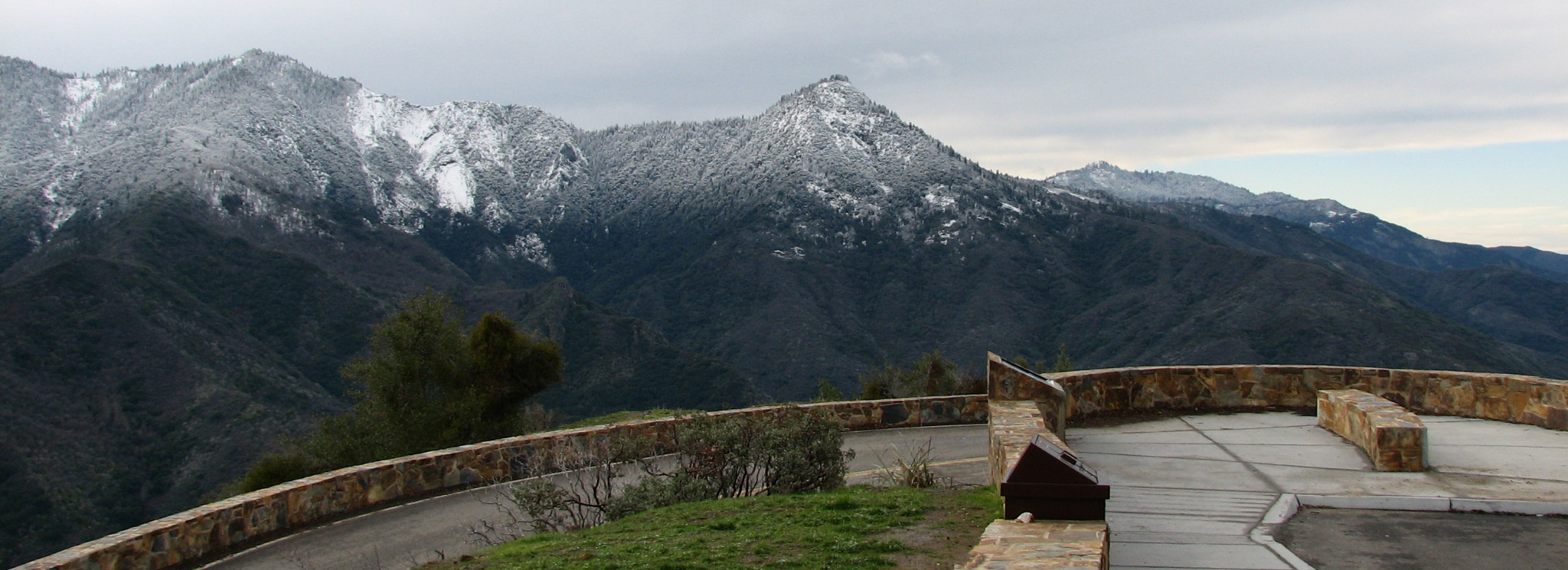
Short answer: probably, at some point, if you’re driving into Sequoia or Kings Canyon National Park between roughly November and April. Not because the roads are always covered in snow — they aren’t — but because the parks post chain requirements the moment conditions call for it, and those requirements can flip on and off multiple times in a single day. If you’re planning a winter trip to see the giant sequoias, the smart move is to plan around chains being required, not to gamble on them not being.
Here’s exactly when you’ll need them, which roads actually enforce it, whether your car gets a pass, and where to get chains before you’re standing on the side of the road figuring it out for the first time.
When You’ll Actually Need Chains
Sequoia and Kings Canyon can require chains any time it snows, but the parks treat the entire fall-through-spring stretch as chain season and recommend carrying them the whole time — regardless of what the weather looks like when you leave home. Conditions at 6,000+ feet can be completely different from conditions at the entrance gate, and requirements are posted and lifted as needed, sometimes more than once a day.
There are three requirement levels, and which one is posted determines whether your specific car is exempt:
- R-1: Chains required on all vehicles, except ones with snow-tread tires on the drive wheels. Everyone else still has to carry chains, even if they don’t have to install them.
- R-2: Chains required except for all-wheel-drive or four-wheel-drive vehicles running snow-tread tires on all four wheels. Carrying chains is still mandatory.
- R-3: Chains or another approved traction device must be installed on every vehicle. No exceptions — AWD, 4WD, snow tires, none of it gets you out of this one.
Whichever level is posted, the speed limit drops to 25 mph while it’s in effect.
Which Roads This Applies To
Chain requirements can apply to any of the main access roads: Generals Highway (the main route connecting the parks), Highway 198 through Three Rivers into Sequoia, and Highway 180 through Yokuts Valley into Kings Canyon. Don’t assume that because one entrance is clear, the road you’re actually planning to drive is too — check conditions for your specific route, not just “the park” in general.

Does Your Car Get an Exemption?
Only if you’re running real snow tires — tires marked with the M+S (mud and snow) symbol, with at least 6/32-inch of tread left. A car with all-season tires doesn’t count as exempt at R-1 or R-2, and nothing is exempt once R-3 goes up.
If you’re renting a car for this trip, check the fine print before you count on chains as your backup plan: many rental agreements don’t allow you to install chains on the vehicle at all. That’s worth knowing before you’re standing at a chain-up area finding out the hard way.

Where to Get Chains Before You’re Stuck
Buy or rent them before you’re actually on the mountain — availability inside the park is limited and unreliable exactly when you need it most. Three Rivers, right outside the Highway 198 entrance, has multiple vendors that sell and rent chains. On the Highway 180 side, the nearest purchase option is in Yokuts Valley, about 21 miles from the park, and rental options there are thinner. The Grant Grove Market inside the park carries limited stock, but it’s not accessible once restrictions are already active — which defeats the point if you’re trying to buy them on the way in.
Rentals typically run $40–65 a day; buying a set outright runs $50–200 depending on size and quality. Either way, it’s cheaper and less stressful than paying for a tow.
Check Conditions Before You Drive, Not After
Call the parks’ 24-hour road conditions line at (559) 565-3341 the morning you’re heading up, not the night before. Chain requirements are genuinely dynamic — a clear road at 8 a.m. can be posted R-2 by early afternoon after a storm moves through.

A Few Safety Notes Worth Taking Seriously
Never stop or park in a traffic lane to put chains on — pull all the way off if you can, and if you can’t, know that installing them is exactly the situation the requirement is trying to get you ready for before you’re on the road, not after you’re already stuck on it. Shaded stretches and bridge decks ice up even when the rest of the road looks fine, so don’t let a clear-looking straightaway make you complacent.
And build in a real safety margin: tow trucks don’t run during active storms, and vehicle recovery after one can take 24 hours or more once they’re back out. Towing from a mountain road isn’t cheap, either. Carrying chains you never end up using is a mildly annoying inconvenience. Needing them and not having them is a much worse day.

Leave a Reply