
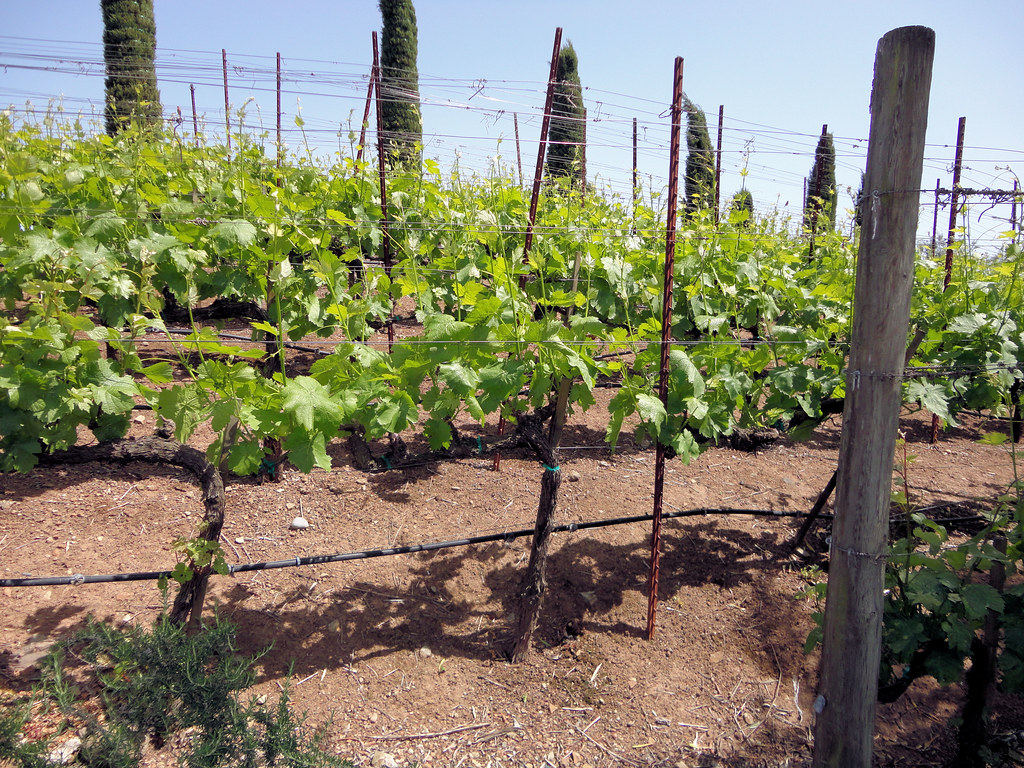
Napa and Sonoma weren’t built with public transit in mind. The wineries are spread across valleys, the towns are small, and there’s no train that actually connects one tasting room to the next. That doesn’t mean you need to drive yourself, though — it means you need an actual plan instead of assuming an Uber will show up wherever you point your phone.
This article may contain affiliate links. If you book or buy through one, California Wanderer may earn a small commission at no extra cost to you. As an Amazon Associate I earn from qualifying purchases.
Here’s what genuinely works if you’re visiting Napa or Sonoma without a car, what doesn’t, and where a guided option is honestly the smarter move rather than a compromise.
Getting to Wine Country Without Driving Yourself
You’ve got three real ways in from the Bay Area, and they’re not equally convenient.
Ferry plus bus is the most scenic and the one most people don’t know exists. The San Francisco Bay Ferry runs from the Ferry Building on the Embarcadero to Vallejo, and VINE Transit‘s local buses connect from there into Napa Valley itself. It’s a relaxed way to start the day — you’re on the water for the first leg — but budget real time for it. This is a two-transfer trip, not a straight shot.

Train plus a connecting bus works if you’re coming from farther out in the Bay Area. Gold Runner (the rebranded Amtrak San Joaquins service) trains run to the Martinez station, where the Amtrak Thruway Bus (Route 7) picks up and drops you at the Soscol Gateway Transit Center in downtown Napa. Same idea as the ferry — it gets you there, but you’re building in connection time.
Rideshare is the obvious answer and the one that lets you down the most. Uber and Lyft cover the Bay Area reliably enough to get you to Napa or Sonoma in the first place, but coverage inside wine country itself gets thin fast — drivers are noticeably harder to find once you’re north of St. Helena, and you can end up waiting a long time for a car that never quite shows up when you need it. Treat rideshare as how you get into wine country, not necessarily how you get around once you’re there.
Getting Around Once You’re There
VINE Transit is Napa Valley’s actual public bus system, and it’s cheap: a standard adult fare is $2, a day pass is $7, and a 31-day pass runs $55 if you’re staying a while. It also runs on-demand shuttle service in Calistoga, St. Helena, and Yountville, which is genuinely useful for short hops around those specific towns. What it won’t do is drop you at the wineries themselves — most tasting rooms sit well off the fixed routes, often down long private driveways.
Biking is a real option for a specific kind of trip. The Napa Valley Vine Trail is a dedicated, mostly car-free path connecting Napa to Yountville, with sections extending further up-valley toward Calistoga as construction continues. It’s a genuinely nice way to cover ground between the walkable towns — just don’t plan on biking winery to winery all day if you’re also planning on tasting at each one.
The Napa Valley Wine Train gets mentioned constantly in searches about “trains in Napa,” and it’s worth being clear about what it actually is: a sit-down dining and tasting experience on a scenic, fixed rail line, not a point-to-point transit option you’d use to get from your hotel to a winery and back. Book it as its own activity, not as your day’s transportation.
Why a Guided Tour Is Often the Smartest Move

Once you add it up — a bus system that doesn’t reach the wineries, rideshare that thins out exactly where you need it, and a bike trail that only covers part of the valley — the honest answer for most car-free visitors is a guided wine tour with pickup included. It’s not a consolation prize; it solves the actual problem, which is that the wineries you want to visit aren’t near a bus stop.
A small-group wine tour with San Francisco pickup gets you door-to-door transportation between multiple wineries in one day, with someone else doing the driving between tastings — which, given how spread out Napa and Sonoma really are, is worth more than it might sound like on paper.
Where to Base Yourself If You’re Not Driving
If you can control where you stay, stay walkable. Napa, Yountville, St. Helena, and Calistoga all have real downtown cores where you can get dinner, coffee, and a tasting room or two on foot, without needing a car or a rideshare just to leave your hotel. Basing yourself in one of these towns and using VINE Transit’s on-demand shuttle for short local hops is a genuinely workable pattern — it’s the wineries further off the beaten path that need the guided-tour or private-driver approach above.
What This Actually Costs
Worth being honest about the price gap, since it’s real. VINE Transit’s day pass ($7) and 31-day pass ($55) are about as cheap as transportation gets anywhere in California. A private driver runs $60 to $90 an hour, which adds up fast across a full day of winery-hopping but comes with door-to-door convenience the bus can’t match. A small-group guided tour sits in between — a flat per-person rate that covers a full day of pickup, driving between wineries, and someone else handling the logistics. For a single day trip with more than one winery on the list, the guided tour is usually the best value once you factor in what a private driver would actually cost for the same ground covered.

Mistakes to Avoid
Don’t assume Uber will be waiting when your tasting wraps up — request early, especially north of St. Helena. Don’t assume a winery has its own shuttle just because it’s popular; a few do, most don’t, and it’s genuinely worth confirming directly with the tasting room before you build a day around it. And don’t book the Wine Train thinking it’ll double as transportation between stops — it’s a destination in itself, not a shuttle.

Quick Answers
Is there a train that runs between Napa wineries? No. The Napa Valley Wine Train is a fixed-route dining experience, not general transit — there’s no rail system connecting individual tasting rooms.
Can I bike between wineries? Between the towns along the Vine Trail, yes. Between more remote wineries, plan on a car, rideshare, or tour instead — the trail doesn’t reach everywhere.
Does VINE Transit go to the wineries themselves? Generally no — it connects the towns, not the tasting rooms, most of which sit off the fixed routes.
Is Sonoma easier without a car than Napa? Not really — Sonoma County’s wineries are spread out over an even larger area than Napa Valley’s, and its local transit options are thinner. The same logic applies: base yourself in a walkable town like Sonoma or Healdsburg, and lean on a guided tour for the actual winery-hopping.




Leave a Reply