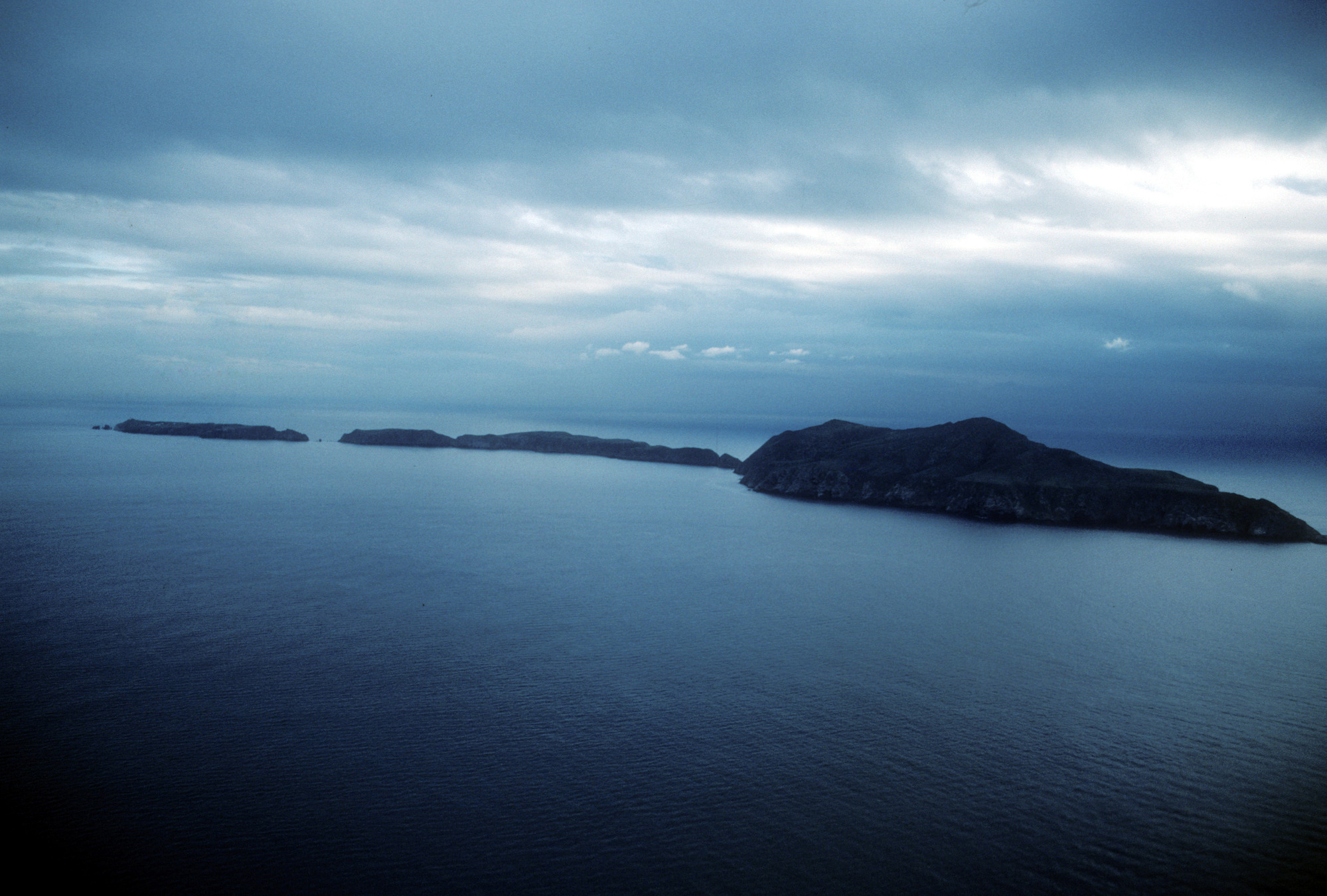
Channel Islands National Park sits less than an hour by boat from Ventura Harbor, and it’s one of the least-visited national parks in the country anyway — which makes sense once you try to plan a trip there. There’s no bridge, no entrance gate to drive through, no restaurant waiting when you arrive. You take a boat, and once you land, whatever’s in your bag is what you’ve got for the day.
Related Resources:
- Channel Islands National Park tours (GetYourGuide)
- Ventura hotels near the ferry (Booking.com)
- camping gear (Amazon)
That’s also the whole appeal. Five islands sitting largely as they did before development ever reached the mainland, with wildlife found nowhere else on Earth. But “worth it” depends a lot on which island you pick, and most guides skip right past that decision instead of actually helping you make it.
Quick answer: shorter day, easily seasick, or you want the classic photo (the sea arch and the lighthouse)? Pick Anacapa. Want more hiking options, more solid ground under your feet, and the best wildlife variety? Pick Santa Cruz Island’s Scorpion Anchorage. Here’s the full breakdown.
Anacapa or Santa Cruz? Answer these first
| Anacapa | Santa Cruz (Scorpion Anchorage) | |
|---|---|---|
| Ferry crossing time | About 1 hour each way | About 1 hour to 1.5 hours each way, depending on route |
| Time actually on the island | Typically a few hours (day-trip boats don’t stay long) | Typically longer — often a full day |
| Getting onto the island | A steep ladder and roughly 150 steps up a cliffside staircase from the landing | A pier landing, generally easier footing |
| Hiking options | One main loop trail across the small islet | Several trails from easy (0.5 mi) to strenuous (8 mi) |
| Best for | Shorter trips, first-timers nervous about the boat, the iconic sea arch view | Longer visits, hikers, people who want to choose their own difficulty level |
| Island size | Tiny — 5 miles long, a quarter-mile wide | California’s largest island — 96 square miles |
| Camping | Limited, primitive | Established campground near the landing |
If seasickness is a genuine concern, Anacapa’s shorter crossing is the safer bet. And if you want the option to hike for hours or barely hike at all, Santa Cruz gives you that flexibility in a way Anacapa’s single small islet just can’t.
Getting there
Island Packers, the National Park Service’s authorized boat concessionaire, runs the only regular passenger ferry service to the islands from Ventura Harbor (with some trips departing Oxnard). Unless you own or charter a private boat, this is genuinely your only option.
Reservations are not optional. Popular weekend departures can sell out, so once your date is fixed, book it.
On cost: be skeptical of any specific number you see floating around online. Ferry pricing varies by island, season, and trip length, and Island Packers’ own booking system loads pricing dynamically rather than publishing it as static text — so instead of handing you a figure that might already be stale, check the current fare and schedule directly at islandpackers.com before you build a budget around it. Reduced pricing is generally available for kids; confirm the current rate on that same page.
Here’s one thing you actually can count on: there’s no National Park Service entrance fee for Channel Islands. The park itself is free. What you’re paying for is the boat ride.

What to pack
No stores, no restaurants, no reliable food vendors on any of the islands. Whatever you bring is whatever you have.
- At least 2 liters of water per person — more if you’re hiking
- All your food for the day
- Sunscreen and a hat (there’s barely any natural shade)
- A warm layer — ocean air runs noticeably cooler than the mainland, even in summer
- Sturdy shoes for uneven, sometimes wet trail and stair surfaces
- A fully charged phone and a paper map or downloaded offline map — cell service is unreliable to nonexistent out there
If you’re prone to motion sickness, most over-the-counter medications work best when taken before symptoms start rather than after — check your specific medication’s label for timing, and plan to take it before you board. Non-drowsy options exist if you’d rather stay sharp for wildlife-spotting on the way out.
Safety specifics worth actually knowing
The National Park Service is blunt about this one: a Channel Islands visit requires real self-reliance. A few specifics worth flagging that the generic packing lists tend to skip:
- Deer mice on the islands can carry hantavirus. The Park Service’s guidance is direct — avoid all contact with mice and other wildlife. Don’t feed them, don’t handle them, and stay alert around old structures where they tend to nest.
- Cliff edges can be undercut or crumbly, and a fall from one can be fatal. Stay on marked trails and away from the edge — yes, even for the photo.
- Stairs, ladders, and railings can get wet and slippery, particularly at the Anacapa landing.
- If something goes wrong, there’s no cell service to call for help. Emergencies go through the National Park Dispatch Center by radio, or marine VHF Channel 16 if you’re out on the water.
None of this is meant to scare you off — thousands of people do this trip safely every year — but “remote island with no services” is a genuinely different risk profile than your average mainland state park. Worth ten seconds of actually taking it seriously before you go.
Best time of year to go
Per the Park Service’s own seasonal guidance, late summer through early fall brings the calmest seas and the most reliable crossings, with fall standing out specifically for calm winds and good hiking visibility. Spring tends to bring strong winds and dense fog. Winter brings the most storms, though clear days do happen between systems. If a smooth boat ride matters to you as much as the destination itself, aim for August through early October.
If you pick Anacapa: what a day actually looks like
Day-trip boats to Anacapa don’t linger — plan on a few hours on the island, not a full day. After the ladder-and-stairs landing, the main trail loops across the small islet, with views toward Inspiration Point and the famous sea arch. There isn’t a lot of ground to cover here; the appeal is concentrated scenery in a short window, not distance hiking. Bring your camera for the arch — it’s the shot most people are really there for.

If you pick Santa Cruz (Scorpion Anchorage): what a day actually looks like
Boats land at Scorpion Anchorage on the island’s north side — an easier landing than Anacapa’s stairs, for what it’s worth. From there, your trail options genuinely scale with how much hiking you’re up for:

- Historic Ranch loop — 0.5 miles round-trip, an easy option to see the old ranch buildings if minimal walking is the goal
- Cavern Point Loop — 2 miles round-trip, the most popular option, with strong coastal views and possible whale sightings during the seasonal migration (not guaranteed on any given day)
- Scorpion Canyon Loop — 4.5 miles round-trip, inland, home to the island scrub-jay — a species found nowhere else in the world (spotting one isn’t guaranteed, but it’s the only place you’d have a shot)
- Potato Harbor — 5 miles round-trip, longer coastal views without beach access
- Smugglers Cove — 7.5 miles round-trip, the most demanding common option; carry all your water, since none is available at the destination
- Montañon Ridge — 8 miles round-trip, for experienced hikers only
Unless you’re an experienced hiker with Smugglers Cove or Montañon Ridge on your mind, Cavern Point is the trail most first-time visitors should plan around — it delivers the classic Channel Islands coastal view without eating your whole day.
Common mistakes
- Assuming you can wing the reservation. Trips genuinely sell out, especially in summer. Pick your date and book it.
- Underestimating the ladder at Anacapa. It catches people off guard if they were expecting a normal dock. If mobility’s a concern, Santa Cruz’s pier landing is the easier call.
- Not bringing enough water. There’s none to buy once you’re there, and several of Santa Cruz’s best trails don’t have water sources either.
- Skipping the seasickness medication because the mainland weather looks calm. Ocean conditions and mainland weather are not the same thing.
- Planning a winter or spring trip around calm seas. Fall’s your best bet if a smooth crossing actually matters to you.

FAQ
Is Channel Islands National Park worth a day trip?
For most people who don’t get seriously seasick — yes. It’s genuinely unlike anywhere else you can easily reach from Southern California. If you’re only mildly curious and have zero tolerance for a boat ride or a lack of amenities, it’s fair to skip it.
Is there an entrance fee?
No. The National Park Service doesn’t charge an entrance fee for Channel Islands. Your cost is the ferry, full stop.
How far in advance should I book the ferry?
There’s no fixed rule, but popular weekend departures can sell out — so book as soon as your date is fixed rather than waiting around.
Can I bring kids?
Yes, and reduced child pricing is generally available — confirm the current rate on Island Packers’ site. Worth thinking through the Anacapa stair landing and the general lack of amenities if you’ve got very young kids in tow.
Is there cell service on the islands?
No, or none you should count on. Download offline maps and let someone know your plans before you go.
Can I visit more than one island in a day?
A few combined itineraries exist, but for a first visit, picking one island and doing it properly beats rushing between two.