
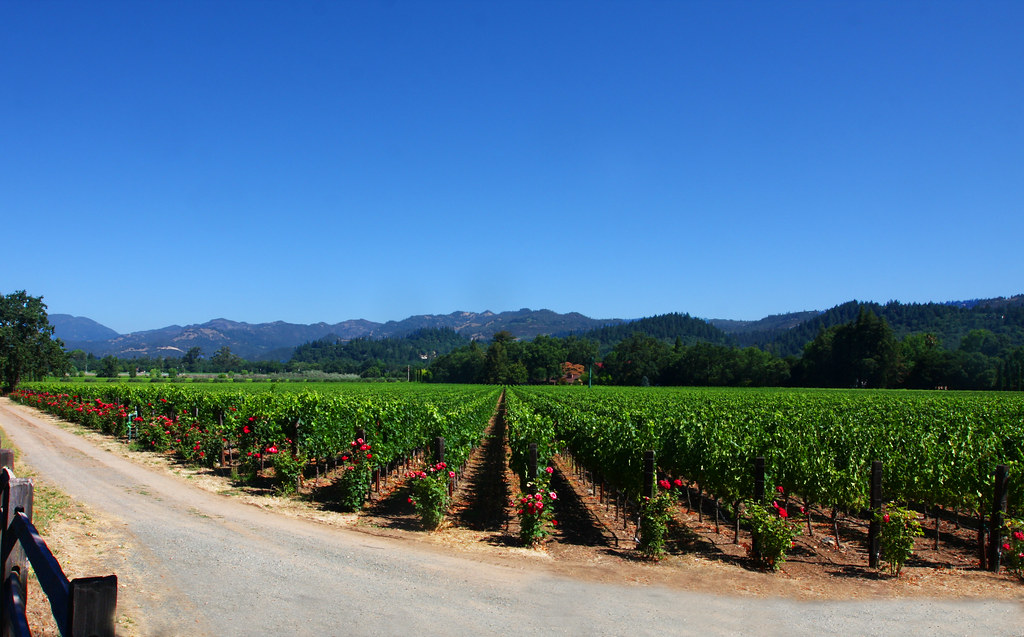
Searching “Napa vs. Sonoma” turns up dozens of opinions and surprisingly few consistent facts. One blog says Napa has roughly 300 wineries; another says 400; the official number from the Napa Valley Vintners trade group is closer to 475. Ask about cost and you’ll get an equally scattered answer. The truth is both wine regions are genuinely excellent, genuinely different, and genuinely close enough together that “which one” is often the wrong question. Here’s what actually separates them, using current, sourced numbers instead of recycled blog-post guesses.
This article may contain affiliate links. If you book or buy through one, California Wanderer may earn a small commission at no extra cost to you. As an Amazon Associate I earn from qualifying purchases.
The Quick Answer
If a full breakdown isn’t necessary, here’s the short version:
Pick Napa if the trip is about polished, destination-style wineries, a bucket-list fine-dining meal, and a valley that’s easy to navigate in a single straight line up Highway 29.
Pick Sonoma if the trip is about a more laid-back pace, lower average tasting fees, a wider mix of landscapes (coastal hills, redwoods, and farmland alongside vineyards), and a town square that still feels like a town rather than a resort.
Pick both if there are two or more days available — the two regions sit close enough together that splitting a trip between them is a genuinely practical option, not just a nice idea (more on that below).

Napa Valley: What You’re Actually Getting
Napa Valley is a single, narrow valley about 30 miles long and up to 5 miles wide, which is part of why it feels so easy to navigate — nearly everything sits along or just off Highway 29 or the Silverado Trail. According to the Napa Valley Vintners trade association, the county is home to roughly 475 wineries producing more than 1,000 wine brands, spread across 47,216 acres of vineyard and 18 nested American Viticultural Areas (AVAs). Cabernet Sauvignon dominates, covering more than half of all planted acreage, which is a big part of why Napa built its reputation on bold reds and why its most famous tasting experiences lean toward formal, appointment-only visits.
That polish comes at a price. Napa’s tasting fees tend to run higher than Sonoma’s on average, and many of its best-known wineries require reservations booked days or weeks ahead, especially on weekends. In exchange, visitors get architecturally striking tasting rooms, some of California’s most decorated restaurants, and a level of production-value consistency that’s hard to match. Nearly 90% of Napa County is protected from further development, so the valley has also stayed strikingly uncrowded by sprawl even as it’s become one of the most visited wine regions in the country.
The valley itself is really a string of small towns threaded along Highway 29 — Napa at the south end, then Yountville, Oakville, Rutherford, St. Helena, and Calistoga as the road heads north. Each has a slightly different personality: Yountville leans toward destination dining, St. Helena has the most walkable small-town shopping and tasting-room strip, and Calistoga, at the valley’s northern tip, is the spot most associated with the region’s volcanic hot springs and mud-bath spas — a genuinely different kind of afternoon than wine tasting, and worth building into a Napa itinerary that wants more than back-to-back pours.

Sonoma County: What You’re Actually Getting
Sonoma County is a different shape entirely — it’s roughly four times the physical size of Napa County, with wine country spread across 19 distinct winegrowing regions rather than concentrated along one road. Sonoma County Tourism puts the county at more than 425 wineries and over 62,000 acres under vine, with Chardonnay and Pinot Noir as the leading varieties rather than Napa’s Cabernet-heavy mix — a reflection of Sonoma’s cooler coastal pockets, including more than 50 miles of Pacific coastline that Napa doesn’t have at all.
Because Sonoma’s wine country is spread across separate pockets — the Russian River Valley, Dry Creek Valley, the Sonoma Valley town itself, and others — the experience reads less like one famous road and more like a handful of distinct micro-regions, each with its own feel. Tasting fees here run noticeably lower on average than Napa’s, many wineries still welcome walk-ins without a reservation, and the town of Sonoma itself centers on a genuine, historic plaza with shops and restaurants that serve locals as much as visitors. The trade-off is that Sonoma’s wine country takes longer to get around, simply because it covers more ground.
That spread is also Sonoma’s main advantage for travelers who want more than wine in a day. The town of Healdsburg anchors the Russian River Valley and Dry Creek Valley area to the north, with its own well-regarded restaurant scene and a plaza that feels similar in spirit to Sonoma’s but smaller and quieter. Guerneville and the lower Russian River sit close enough to redwood groves and the river itself to add a hike or a swim to a tasting day. And Sonoma Valley’s own small towns — Sonoma, Glen Ellen, and Kenwood — stay closer together than Napa’s string of towns, which makes a single relaxed day of hopping between a handful of them realistic without much driving at all.

Where the Online Comparisons Disagree (and the Real Numbers)
Here’s the honest problem with most “Napa vs. Sonoma” content already published: the specific numbers rarely match from one source to the next. Winery counts for Sonoma alone range from under 300 to over 500 depending on the article. Driving-distance estimates between the two towns vary just as widely — some pages cite under 20 minutes, others cite closer to an hour, often without specifying which exact two points they’re measuring between.
The figures in this article come directly from each region’s own trade and tourism organizations rather than from other travel blogs, which is why they’re worth anchoring to: Napa Valley Vintners for Napa (475 wineries, 47,216 acres, 18 AVAs), and Sonoma County Tourism for Sonoma (425+ wineries, 62,000+ acres, 19 AVAs). On raw scale, Sonoma covers more acreage and more distinct winegrowing regions; Napa packs a comparable winery count into a much smaller, more walkable footprint. Neither region “wins” on cost in every case — Napa’s flagship names are more expensive on average, but Sonoma has its own small set of high-end, reservation-only experiences that cost just as much as anything in Napa.
A similar pattern shows up in how “best time to visit” gets covered. Several widely-read comparison pieces recommend visiting in spring or fall to “avoid the crowds,” without mentioning that fall — specifically late August through October — is harvest season, when both regions are at their busiest and most expensive, not their quietest. If avoiding crowds and high pricing is the actual goal, winter (excluding major holiday weekends) is the more honest recommendation for either region, even though it’s a less exciting answer than “shoulder season.”

Can You Visit Both in One Trip?
Yes, and this is the detail most either/or comparisons skip entirely. The two regions border each other, and the drive between the towns of Napa and Sonoma is short enough — roughly 20 to 25 miles and about 30 to 40 minutes via CA-12 and CA-121, depending on the exact starting point and time of day — that splitting a multi-day trip between both is a realistic plan, not a stretch.
A common, workable split for a 3-to-4-day trip is two days based in Napa (covering Highway 29 and the Silverado Trail) followed by a day or two based in Sonoma Valley or the Russian River Valley. Anyone planning to skip driving altogether — relying on a ferry, local transit, and guided tours instead — should read California Wanderer’s companion guide, How to Visit Napa & Sonoma Without a Car, which covers exactly that logistics question in depth rather than duplicating it here.
Which One Should You Actually Pick?

Matched against a few common traveler situations, the decision usually gets easier:
First time visiting wine country, want the “classic” experience: Napa. Its name recognition, dense concentration of famous wineries, and straightforward single-road layout make it the easier region to plan a first trip around.
Tight budget, or want a more relaxed pace: Sonoma. Lower average tasting fees, more walk-in-friendly wineries, and a less manicured, less touristy feel generally make for a lower-pressure day.
Traveling with a group that wants variety beyond wine: Sonoma, whose coastline, redwoods, and farm country give non-wine travelers more to do within the same trip.
Celebrating something specific — an anniversary, a proposal, a milestone: Napa’s concentration of high-end restaurants and architecturally dramatic wineries makes it the more reliable choice for a single, memorable splurge day.
Only have one day and are coming from San Francisco: Either works, but Sonoma is slightly closer for most Bay Area starting points, which can matter if the day already includes a lot of driving.
Planning Your Visit

Once a region (or both) is decided, the next practical steps are booking a place to stay and, if wanted, a guided tasting experience rather than self-driving between appointments.
For lodging, places to stay in Napa and places to stay in Sonoma are both worth checking directly, since availability and pricing shift constantly with the season and with local events like harvest. For a guided day that removes the driving-and-tasting balancing act entirely, a guided wine country tour covers both regions and is a genuinely useful option for anyone who’d rather not be the designated driver on a wine-tasting day.

Frequently Asked Questions
Is Napa or Sonoma more expensive?
On average, Napa is more expensive — tasting fees and restaurant prices both tend to run higher. Sonoma has its own expensive, reservation-only wineries, but the overall average cost of a day is lower.
Which is better for a day trip from San Francisco?
Both are doable as a day trip, though it makes for a long day either way. Sonoma is marginally closer for most Bay Area routes.
Do I need reservations for wine tasting in either region?
Increasingly yes in Napa, where many of the best-known wineries require booking ahead, especially on weekends. Sonoma still has a meaningfully higher share of wineries that welcome walk-ins, though calling ahead is always the safer move in either region during harvest season (roughly August through October).
Can I see both Napa and Sonoma in one day?
It’s possible given the roughly 30-to-40-minute drive between the two towns, but doing so usually means less time at each stop. A multi-day trip that dedicates separate days to each region makes for a far less rushed experience.
When is the best time to visit to avoid crowds and high prices?
Winter, outside of major holiday weekends, genuinely is the quieter and cheaper season in both regions. Late August through October is harvest season and the single busiest, most expensive stretch of the year in either Napa or Sonoma, despite how often “fall” gets recommended as a crowd-avoidance tip.

Leave a Reply