
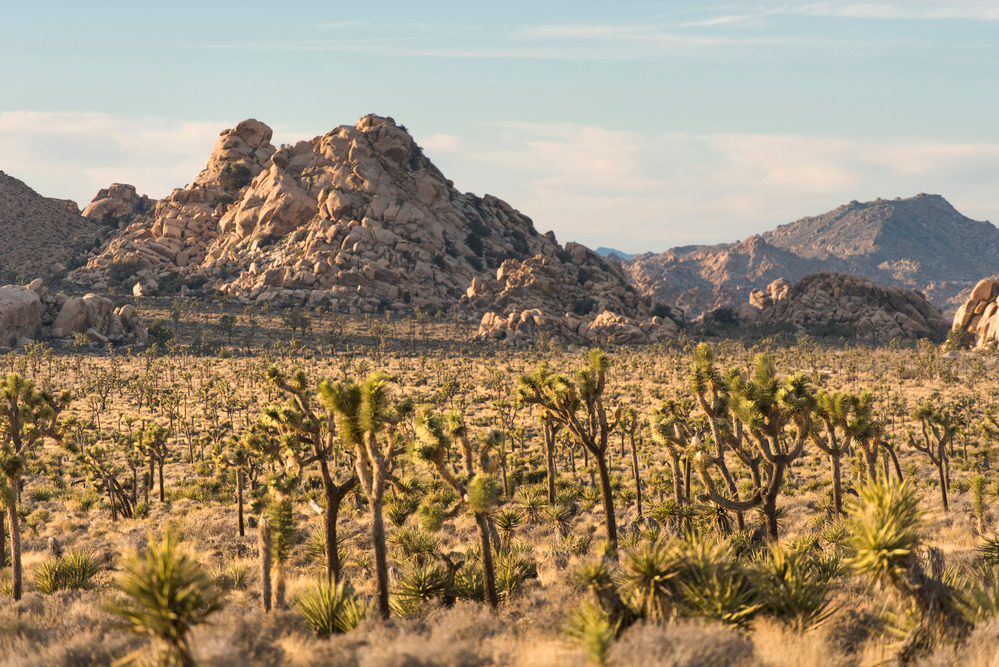
Most “what to pack for Joshua Tree” lists online are really backpacking lists in disguise — stove systems, multi-day water filtration, a full pack list for someone sleeping out for a week. Most visitors aren’t doing that. They’re driving in for a day, maybe two, to see Hidden Valley and the Cholla Cactus Garden and be back at a hotel in Palm Springs or Twentynine Palms by dinner. The packing list for that trip is shorter, but it still has to get a few things exactly right, because the Mojave and Colorado deserts that meet inside the park don’t forgive the things a backpacking checklist tends to gloss over: water, sun, and a 30-to-40-degree swing between noon and midnight.
This article may contain affiliate links. If you book or buy through one, California Wanderer may earn a small commission at no extra cost to you. As an Amazon Associate I earn from qualifying purchases.
Why Desert Packing Rules Are Different Here
Joshua Tree National Park sits across two deserts — the higher, cooler Mojave in the west and north, and the lower, hotter Colorado Desert in the south and east — and almost nothing about how to pack for it works like packing for a normal day hike. There’s no reliable surface water anywhere in the park that’s safe to drink. Most trailheads have no potable water, no shade structures, and no cell coverage once you’re more than a few hundred yards off the main road. A car that’s fine at 9 a.m. can be sitting in 100-degree heat with no AC repair shop for an hour in any direction by early afternoon in summer. None of this is exotic or rare — it’s just the baseline, every visit, every season — which is exactly why the list below is built around what actually goes wrong here rather than a generic “desert hike” template.
Water: The One Thing You Cannot Wing
Plan on at least one gallon of water per person for a half-day in the park, and more in summer or on anything involving real walking. That number surprises people used to a 20-ounce bottle lasting a whole hike somewhere wetter. The park’s own visitor centers (Oasis, Black Rock, Cottonwood, Joshua Tree) have potable water, but the trailheads in between generally don’t, and there is no cell signal to call for help if a water bottle runs dry on a rock-scramble route an hour from the car. Bring more than feels necessary, and treat “I’ll just buy some at a gas station in town” as the backup plan, not the plan.
Sun, Heat, and Catching Heat Illness Early

A wide-brim hat, real sunscreen (not last year’s half-empty travel tube), and a long-sleeve sun shirt do more for a Joshua Tree day than almost anything else in a pack — the sun here is intense even in cooler months, and shade is genuinely scarce along most trails. It’s also worth knowing, before setting out, what heat exhaustion looks like versus heat stroke, because the gap between “I should sit down” and “this is an emergency” closes faster in dry desert heat than most people expect. Heavy sweating, nausea, dizziness, and a headache are heat exhaustion — stop, get shade if there’s any to be had, drink water, and wait it out. Confusion, hot and dry skin that’s stopped sweating, or a rapid pulse are heat stroke, and that’s a call-for-help situation, not a push-through-it one. The practical fix is almost always the same: start early, plan to be off exposed trails by early afternoon in the warmer months, and don’t treat turning back as a failure.
Dressing for a 30–40 Degree Swing

The number that catches first-time visitors off guard isn’t the daytime high — it’s the gap between that high and the overnight low. A warm 85°F afternoon in Joshua Tree can drop into the 40s after dark, and in winter, a mild daytime hike can bookend a near-freezing night. Layers are the fix, not a heavier single jacket: a short-sleeve or sun shirt for midday, a light fleece or insulated layer for the moment the sun drops, and a windproof outer layer if evening wind picks up, which it often does across the open valleys. This matters even for a day trip that ends before dark, because sunset and the half hour after it is exactly when the temperature drop is sharpest, and that’s often when people are still packing up at a trailhead or driving out.
Footwear, Rock Scrambling, and the Cactus That Jumps

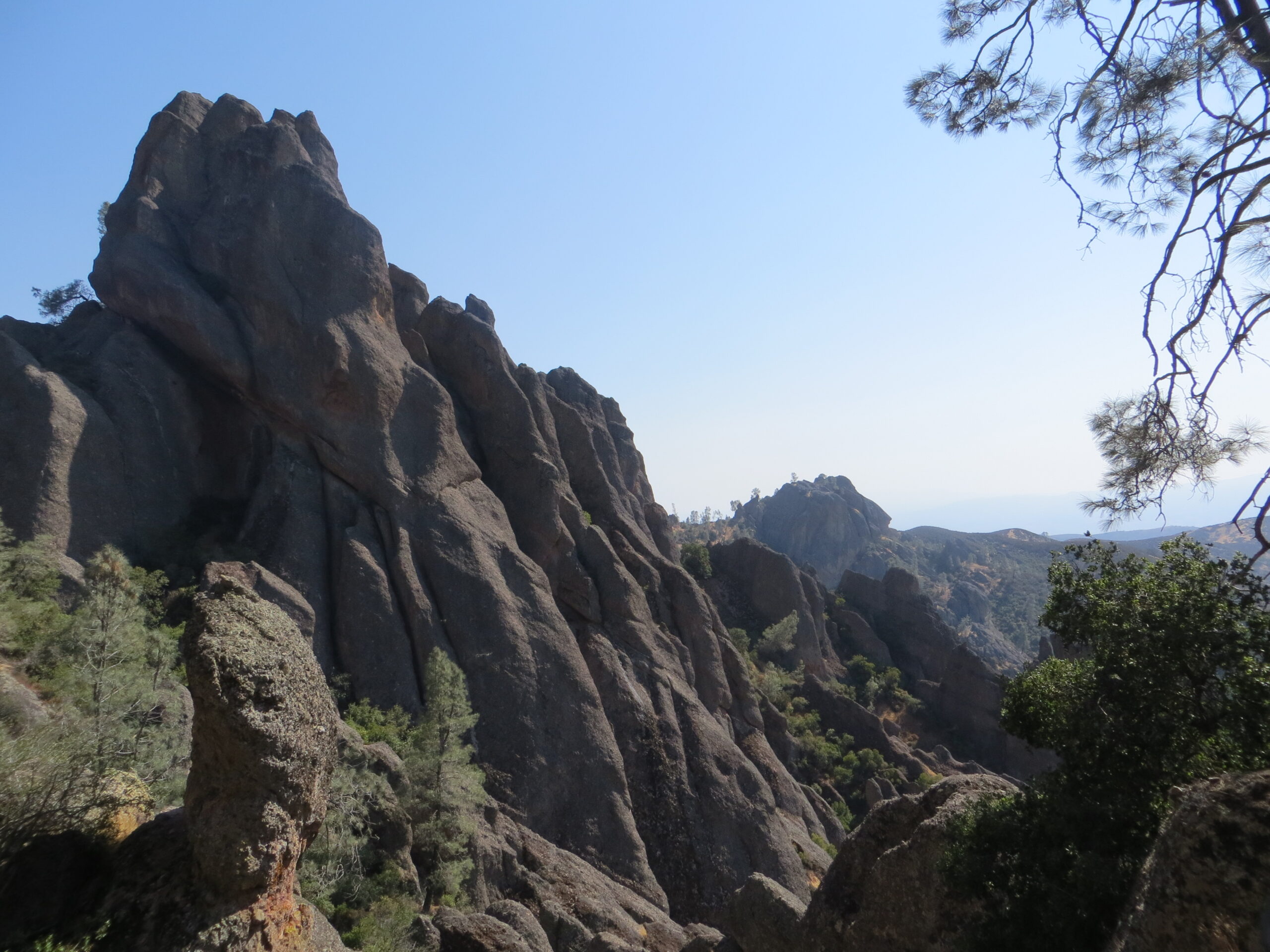
Closed-toe shoes with real tread are worth it even for a “short, easy” stop — a lot of Joshua Tree’s most popular spots (Hidden Valley, Jumbo Rocks, Skull Rock) involve scrambling over granite boulders and loose, sandy gravel that sandals handle badly. Ankle support matters more here than it would on a flat, maintained trail. The other local hazard worth knowing about by name is the teddy-bear cholla, nicknamed the “jumping cholla” because its segments detach and latch onto skin or clothing with almost no contact at all — brushing past one too closely is enough. It isn’t dangerous, but it is genuinely painful and surprisingly hard to remove bare-handed. A comb (plastic or metal) is the standard field fix for lifting a cholla segment off skin without using fingers, and it’s worth having in a pocket at the Cholla Cactus Garden or anywhere else cholla grows along a trail, which is most of the park’s lower elevations.
Navigation Without Cell Service
Cell coverage inside the park is unreliable at best and nonexistent at most trailheads, which makes offline navigation a real packing item, not an afterthought. Download an offline map of the park — Google Maps supports offline areas, and the NPS’s own park map and brochure are worth saving as well — before leaving cell range, not after. A paper map as backup isn’t old-fashioned here; it’s the thing that still works when a phone dies or a download didn’t finish. Tell someone outside the park what route is planned and when to expect a check-in, the same way anyone would before a remote hike, since a missed turn off a sandy road doesn’t come with a signal to call for directions back.
What to Pack for Joshua Tree
- An electrolyte powder packet — a gallon of water a day replaces fluid, but not the sodium and potassium lost to desert sweat; a few packets in a day bag are cheap insurance against the early signs of heat exhaustion.
- A wide-brim UPF sun hat — wide, UPF-rated brims block the kind of sun exposure a baseball cap simply doesn’t, especially on shadeless trails like the Cholla Cactus Garden loop.
- a charged power bank — offline maps and GPS drain a phone noticeably faster than normal use, and with no cell service inside most of the park, there’s no way to top off until you’re back in town.
Flash Floods and Summer Storms
Visiting between roughly July and September means watching the weather for monsoon thunderstorms, which can dump a surprising amount of rain in a short burst over the surrounding mountains and send flash floods down washes and canyons that were bone-dry an hour earlier — even under a clear sky directly overhead. Never park, camp, or linger in a dry wash or canyon bottom when storms are in the forecast anywhere in the region, and if water starts moving in a wash while you’re near it, move to higher ground immediately rather than trying to outrun or cross it.
Entrance Fees, Parking, and Day-Trip Logistics

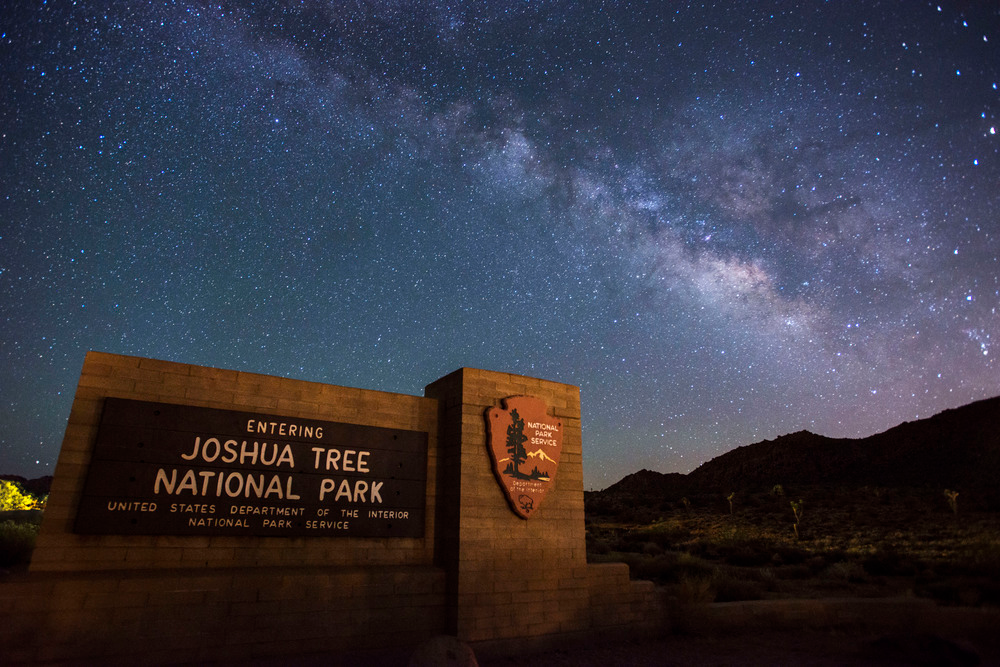
Joshua Tree charges a per-vehicle entrance fee at the gate (or covers it with an annual National Parks pass), and no advance reservation is required to enter for a day visit — reservations only come into play for camping. The tradeoff is parking: the most popular stops, especially Hidden Valley and the Cholla Cactus Garden, fill their small lots by mid-morning on weekends and holidays, and a full lot generally means circling or skipping the stop rather than finding overflow parking nearby. Arriving early, or visiting those two spots on a weekday, solves most of this on its own. If the plan turns into an overnight rather than a single day, the park’s campgrounds book up fast and work on a different set of rules than day parking — California Wanderer’s Joshua Tree camping guide covers reservations and site picks in more detail. And for anyone staying past sunset specifically for the dark skies, the stargazing guide covers timing and the best spots for it.
Quick-Reference Packing Checklist
- At least 1 gallon of water per person for a half-day visit (more in summer or for longer hikes)
- Wide-brim hat, sunscreen, and a long-sleeve sun shirt
- A light layer (fleece or insulated jacket) for the temperature drop after sunset
- Closed-toe shoes with real tread for rock scrambling and loose gravel
- A comb for safely removing cholla cactus segments
- Offline maps downloaded before losing cell signal, plus a paper map as backup
- A charged portable power bank
- Snacks and electrolytes, not just water
- A full tank of gas — services are sparse once inside the park
Frequently Asked Questions
Do I need a 4WD vehicle for Joshua Tree?
No, not for the main paved roads and the park’s most popular stops, which are accessible by any standard passenger car. A few backcountry dirt roads do call for high-clearance or 4WD vehicles, but none of the day-trip highlights covered above require one.
Is there potable water anywhere in the park?
Yes, at the park’s visitor centers — Oasis, Black Rock, Cottonwood, and the Joshua Tree Visitor Center — but not at the trailheads themselves. Fill up before heading out, not along the way.
What’s the best time of year to visit?
Fall through spring (roughly October through May) brings the mildest daytime temperatures and the most comfortable hiking conditions. Summer is genuinely extreme, with daytime highs regularly over 100°F and very little shade, and it’s also when monsoon flash-flood risk is highest.
Do I need a reservation to enter the park for a day trip?
No — day entry doesn’t require a reservation, just the standard per-vehicle entrance fee or a valid parks pass. Reservations apply to camping, not day visits.
Leave a Reply