Joshua Tree National Park Camping Tips for a Perfect Outdoor Experience
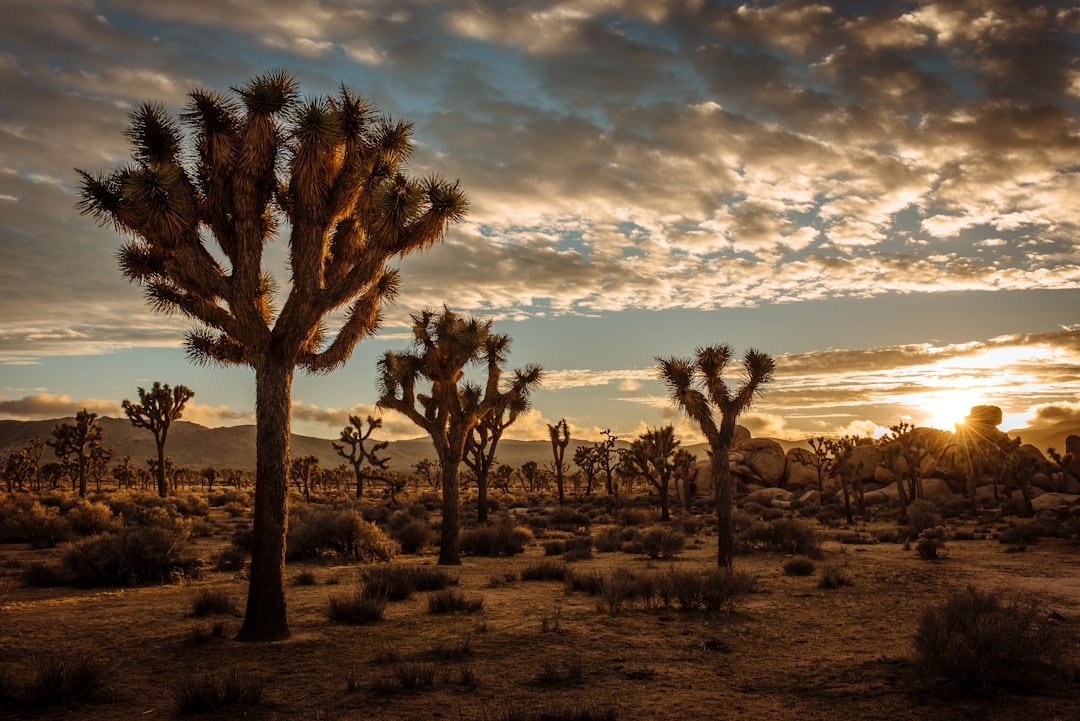
Camping in Joshua Tree National Park means waking up surrounded by alien-looking boulder formations, twisted Joshua trees silhouetted against the Milky Way, and the kind of silence you can only find in the desert. If you want to camp here, it’s best to reserve your campsite well in advance — peak weekends and holidays fill up months out — but with the right planning, this is one of California’s most unforgettable outdoor experiences. I’ve camped here multiple times, and this guide covers everything you need to get it right.
This article may contain affiliate links. If you book or buy through one, California Wanderer may earn a small commission at no extra cost to you. As an Amazon Associate I earn from qualifying purchases.
The park offers multiple campgrounds with different vibes, from more developed sites to first-come, first-served boondocking spots for the adventurous. Nature lovers and outdoor enthusiasts will find plenty to do beyond camping—think rock climbing, hiking, and nighttime stargazing.
🌅 More California adventures: Don’t miss our guide to Yosemite National Park Hiking Trails Guide for All Skill Levels.
The mix of the Mojave and Colorado deserts creates a diverse ecosystem that’s both serene and wild. It’s perfect for disconnecting from the usual noise.
Where to Stay
If you prefer something a bit cozier than a tent, you can view the best stays around Joshua Tree. Options range from rustic cabins and quirky boutique hotels to modern inns like the Joshua Tree Inn, 29 Palms Inn, and the Black Rock Campground lodge.
Tours and Activities
To make the most of your trip, you should explore guided experiences that include rock climbing lessons, stargazing tours, and off-road adventures. These guided options save you time planning and can add a layer of expert insight.
Campground Options

Joshua Tree offers a mix of campgrounds catering to different preferences—whether you want guaranteed spots or you’re willing to roll the dice with first-come, first-served. Some campgrounds are known for their unique settings, while others are better suited for families looking for convenience and amenities.
Reservation vs. First-Come, First-Served
The park has nine campgrounds in total. Six require reservations, which you can book up to six months in advance on recreation.gov.
These reservations are highly recommended, especially on weekends and holidays, because spots fill up fast. Popular campgrounds like Jumbo Rocks and Black Rock usually require a reservation to secure your place.
The remaining three campgrounds are first-come, first-served, so if you show up early enough, you might snag a spot. Availability is unpredictable, especially during peak seasons.
Also, cell service in Joshua Tree is limited, so booking ahead online is your best bet if you want peace of mind.
Popular Campgrounds Overview
Jumbo Rocks remains a fan favorite thanks to its stunning boulder formations and spacious campsites. It’s ideal if you appreciate scenic views and some solitude despite being popular.
Hidden Valley Campground is great for climbers, right near many famous routes. Black Rock offers higher elevation and cooler temps, plus flush toilets and a dump station, a rare luxury here.
Cottonwood is quieter and more remote, perfect for those wanting a peaceful desert escape. If you want full amenities and a lively vibe, Indian Cove’s reservation spots offer easy access to hiking and rock climbing.
Family-Friendly Choices
If you’re camping with kids, Black Rock and Indian Cove are your best bets. Both have more facilities like flush toilets and water access, which are helpful with young campers.
The sites are roomy, and the terrain is less rugged, making it easier to keep an eye on little ones. These campgrounds also have picnic areas and are close to kid-friendly hikes.
Being near paved roads means you don’t have to worry too much about off-road driving. Sites here fill up quickly, so booking early is a must if you want to avoid a last-minute scramble.
For more on where to book your campsite, check out the official campground details at the National Park Service.
Planning Your Camping Trip

Knowing when to go, how to secure a campsite, and what to pack can completely change your Joshua Tree camping experience. It’s not just about showing up with a tent; preparation is key in this desert park known for its unpredictable weather and limited services.
Best Time to Visit
Joshua Tree’s peak season runs from late fall through early spring, roughly October to April. During these months, daytime temperatures are comfortable, usually between 60°F and 80°F, perfect for hiking and exploring.
Summers can be brutally hot, sometimes soaring above 100°F, which limits daytime activities and makes camping uncomfortable unless you’re prepared for desert heat. Weekdays tend to be less crowded than weekends or holidays.
If you prefer fewer people, aim for early spring or late fall midweek visits. Nights get cold, especially in winter, often dipping close to freezing, so bring appropriate cold-weather gear even if days are warm.
Securing Campsite Reservations
Joshua Tree has about 500 campsites spread over 9 campgrounds, and most require reservations. You can book sites up to six months in advance on recreation.gov.
Cell service inside the park is limited to nonexistent, so make your reservations ahead of time. If you miss reserving, some campgrounds offer first-come, first-served sites, but expect competition, especially in popular areas like Hidden Valley or Jumbo Rocks.
Always check campground details for amenities and restrictions before booking to match your camping style.
Essential Packing Guide
Packing for Joshua Tree means preparing for desert extremes. Start with water—at least one gallon per person per day—since no potable water is available at most sites.
Bring layered clothing to manage wide temperature changes: light, breathable fabrics for daytime heat and insulating layers for chilly nights. Don’t forget sun protection including hats, sunscreen, and sunglasses.
A sturdy tent with good ventilation and a warm sleeping bag rated for near-freezing temperatures is a must. Extra batteries or portable chargers help because of limited power access.
Also, pack food suited for the environment and practice Leave No Trace principles to keep the desert pristine. For more details on reservations, visit this campground resource.
Natural Highlights Near Campsites

Joshua Tree National Park offers camping spots surrounded by stunning natural features. From skies filled with stars to trailheads leading directly into rugged desert landscapes, these highlights create memorable outdoor experiences close to your campsite.
Stargazing Opportunities
Joshua Tree is world-renowned for its dark skies, making it a prime location for stargazing. With minimal light pollution, the night sky bursts with constellations, planets, and occasional meteor showers.
Campsites like Hidden Valley and Jumbo Rocks are favorites for night owls who want an uninterrupted view of the cosmos. Bring a telescope or simply lie back on a blanket to enjoy the Milky Way stretching overhead.
Remember to bring a red flashlight instead of a white one to preserve your night vision. Whether you’re a seasoned astronomer or just love looking up, the vivid, untouched night sky in Joshua Tree is unforgettable.
Hiking Trail Access
Most campsites in Joshua Tree provide quick access to diverse hiking trails. For example, Indian Cove Campground sits near trails like the short but scenic Barker Dam loop, where you might spot birds and desert wildlife.
Jumbo Rocks has paths leading deep into iconic rock formations and scenic viewpoints. Many hikes range from easy strolls to moderate climbs, allowing you to fit a quick nature break or a full afternoon adventure around your camping plans.
Trail maps are usually available at campground info boards. Good hiking means experiencing the park’s unique flora, like Joshua trees, and enjoying panoramic desert views just steps from your tent.
For more on camping specifics and reservations, check this Joshua Tree camping guide.
Rules and Regulations

Camping in Joshua Tree means respecting specific rules designed to protect the fragile desert environment and keep visitors safe. From fire use to how you interact with wildlife and managing your trash, these regulations ensure that everyone enjoys their stay without harming the park.
Campfire Restrictions
Campfires are highly regulated in Joshua Tree due to the dry, fire-prone environment. You are only allowed to build campfires in designated fire rings located within established campgrounds.
Using fire pits outside these areas, or any portable grills or stoves off-site, is strictly prohibited. During high fire danger levels or specific seasonal closures, all fires, including charcoal and wood, are banned.
If you’re lucky enough to get a fire permit, keep fires small and never leave them unattended. Always fully extinguish your fire before leaving the site to prevent wildfires.
Remember, hammocks or slacklines cannot be tied to trees, so avoid damaging vegetation in any way when setting up your camp.
Wildlife Safety Guidelines
Joshua Tree is a wildlife refuge filled with animals that should not be disturbed. Feeding animals is forbidden because it changes their natural habits and can be dangerous for both you and the wildlife.
Many desert species carry diseases or may bite if threatened. Stay alert and never reach into holes or burrows where creatures may be hiding.
Keep a safe distance from all animals, and avoid touching or moving any plants, rocks, artifacts, or fossils. The park stresses that handling wildlife or interfering with their environment can harm them, so respect their space and observe quietly.
Leave No Trace Practices
Practicing Leave No Trace isn’t just a suggestion here—it’s a must. All trash, including biodegradable items, must be packed out with you.
Use restroom facilities when available; if backcountry camping, follow park rules for waste disposal carefully. Do not collect, disturb, or remove any natural items from the park.
This includes rocks, plants, and historical artifacts. Sleeping areas are limited to designated spots to prevent damage to the soil and vegetation.
Limit your group size to no more than six people and three tents per campsite, with a maximum of two vehicles. This minimizes environmental impact and maintains the peaceful desert experience for everyone.
Where to Stay

If you’re ready to book your spot, you should view the best stays near Joshua Tree. Whether you want the classic desert campground vibe, rustic cabins, or charming boutique hotels, you’ll find options nearby.
Some favorites I’d recommend are the Joshua Tree Inn for its retro charm, AutoCamp Joshua Tree if you want a modern glamping experience, or the Camping Ground at Jumbo Rocks for pure nature immersion.
Tours and Activities

Don’t just camp—make the most of your visit by booking some tours. You can book this tour to explore guided rock climbing lessons, night sky stargazing tours, or nature hikes.
For a real treat, try a guided Joshua Tree wildlife tour or a photography tour that walks you through capturing the desert’s unique beauty. These experiences will add unforgettable layers to your camping trip.
Amenities and Facilities
Campgrounds in Joshua Tree vary widely in the facilities they offer. Some provide the essentials like potable water and flush toilets, while others keep it rugged with pit toilets and no water access at all.
Knowing what to expect can make or break your camping experience here.
Restroom and Water Availability
Most developed campgrounds like Cottonwood and Black Rock have flush toilets and reliable potable water. These sites also often include picnic tables and fire rings for cooking and gathering around the fire.
You’ll find potable water at places like Jumbo Rocks and Indian Cove too, but not every campground has it. Primitive campgrounds such as those out on the backcountry roads usually only have vault toilets, with no running water available.
If you camp in these areas, bring enough water for drinking, cooking, and washing. Cell service is spotty at best, so plan ahead and don’t rely on being able to pick up water or call for help.
Accessibility Features
Joshua Tree offers accessible campsites designed to accommodate wheelchairs and those with mobility challenges. These spots typically have paved or firm gravel surfaces, accessible restrooms with grab bars, and parking close to the campsite.
Many popular campgrounds like Hidden Valley include ADA-accessible picnic tables and fire rings. However, accessibility in more primitive or remote areas is minimal or nonexistent.
Consider staying at developed campgrounds if accessibility is a priority during your visit. I recommend checking specific campground details and confirming availability for accessible sites since there are only a limited number of these spots in the park.
If you want to view the best stays near Joshua Tree, I can suggest a few solid options. The Joshua Tree Inn offers a cozy, historic vibe close to the park’s entrance.
For a more modern touch, check out the Sacred Sands Joshua Tree, which boasts minimalist desert chic. If you’re into camping but want a comfy twist, Pioneertown Motel offers a neat blend of rustic with creature comforts.
When it comes to adventures, you can’t miss exploring guided rock climbing tours, stargazing experiences that put those Instagram night shots to shame, or tranquil nature hikes that deliver those postcard-perfect views. Feel free to book this tour to get started on your next desert adventure.
Camping Styles Available
Camping in Joshua Tree ranges from comfortable RV setups to rugged backcountry experiences. Options exist for groups large and small.
Different camping styles need different preparations. Understanding the park’s rules and amenities is important.
RV Camping Essentials
Joshua Tree supports RV camping in several campgrounds, but space can be tight. Hookups are rare.
Most sites are dry camps, meaning no water, electric, or sewer connections. Larger RVs might find maneuvering on desert roads tricky, so check the size limits for each campground.
Bring plenty of water and a reliable waste disposal plan since dump stations are limited and usually far from campgrounds. Arriving early is a must because spots fill fast, especially on weekends or holidays.
Generators are allowed but often restricted to certain hours. Parking is usually first-come, first-served unless you reserve ahead through recreation.gov.
Be ready for limited cell service, so plan accordingly. Sites like Black Rock and Indian Cove are popular among RV campers for their amenities and space.
Group Camping Considerations
Joshua Tree has designated group campsites that cater to larger parties wanting a shared outdoor experience. These sites often require reservations well in advance.
Group camping has different rules about noise, campfires, and maximum occupancy to minimize impact on the environment and other visitors. Large groups need to be aware that these sites provide fewer amenities than developed campgrounds.
Bring ample water and coordinate trash disposal carefully. Quiet hours are strictly enforced, and campfires may be limited depending on the season.
Group campers should prepare for limited parking spaces and share restroom facilities. Scout ahead for spots that fit your group size, such as certain areas in Cottonwood or Black Rock campgrounds.
Backcountry Camping Overview
Backcountry camping in Joshua Tree offers a true wilderness experience with dispersed sites away from developed campgrounds. Permits are often required, and campers must practice Leave No Trace principles rigorously.
There are no facilities, so pack in all your supplies, especially water. Navigation skills are essential as marked trails might be limited.
It’s crucial to prepare for extreme temperature shifts—hot days and cold nights. Fires are generally prohibited, so bring a camp stove if you want to cook.
Campers must be self-sufficient and ready for potential isolation; cell reception is minimal or nonexistent. For specific campsite locations and permit details, check park guidelines ahead of time to avoid surprises.
If you want to [view the best stays](https://tp.media/r?marker=370066&trs=176209&p=2076&u=https%3A%2F%2Fwww.booking.com%2Fsearchresults.html%3Fss%3Djoshua tree national park camping&campaign_id=84) near Joshua Tree, check out the retro-chic Joshua Tree Inn, the tranquil and remote Sacred Sands, and the centrally located 29 Palms Inn. Each offers a different vibe to suit your after-camp relaxation.
For tours, don’t miss the chance to [book this tour](https://www.getyourguide.com/s/?q=joshua tree national park camping&partner_id=M927JI7) that includes guided stargazing under the park’s famously dark skies. Rock climbing introduction tours and jeep adventure tours exploring hidden desert paths are also available.
Tips for a Comfortable Experience
Camping in Joshua Tree demands solid preparation because the desert environment can be harsh. Understanding how to handle the weather, scarce shade, and respect for fellow campers will make your trip much more enjoyable.
Weather Preparation
Daytime temperatures can soar above 100°F (38°C) during summer, while nights often dip below 50°F (10°C). Pack layered clothing to handle both extremes: lightweight, breathable fabrics for the day and warm jackets for the chilly nights.
Don’t forget a wide-brimmed hat and UV-blocking sunglasses to protect against sun exposure. Hydration is critical.
Bring at least one gallon of water per person per day, since water sources inside the park are nonexistent. Sunscreen with high SPF is a must, reapplied frequently.
Planning your activities for early morning or late afternoon also helps avoid the brutal midday heat.
Managing Limited Shade
Joshua Tree has very limited natural shade because of its sparse vegetation. Setting up your tent near large rocks or Joshua trees can provide some relief, but don’t expect full coverage.
Use a lightweight, pop-up sun shelter or canopy to create portable shade. These also help cool down your campsite during hot afternoons.
Avoid setting up in open areas without any cover to reduce the risk of sunstroke and dehydration. Bring cooling items like damp bandanas or portable fans if you can.
Always keep your campsite tidy to maximize shade efficiency. Sitting in the shade is non-negotiable when the sun is relentless.
Noise and Privacy Advice
Joshua Tree campgrounds can get popular, especially on weekends and holidays. If peacefulness is important to you, arrive early to claim a campsite that feels more secluded.
Most campgrounds have no designated quiet hours, so noise from generators, loud conversations, or music can be expected at times. Bring earplugs if you’re a light sleeper.
Respect for neighbors is key—keep noise low after dark, avoid bright lights pointed at other tents, and store food securely to prevent attracting wildlife and curious campers. Privacy also means not wandering through other sites and keeping your own space clean and organized.
For a solid camping experience with all these factors in mind, check out this detailed Joshua Tree National Park camping guide to plan properly.
Nearby Attractions and Activities
Camping at Joshua Tree doesn’t mean sitting around a campfire all day. There’s plenty to do nearby, especially if you like a mix of adventure and learning.
Whether you’re drawn to scaling rock faces or soaking up desert lore from rangers, these activities add extra layers to your desert experience.
Climbing and Bouldering Spots
Joshua Tree is a magnet for climbers, thanks to its famous rock formations. Sawtooth Canyon Campground is a hotspot because it puts you close to some of the best climbing routes in the park.
You’ll find everything from beginner-friendly boulders to challenging multi-pitch climbs like “Intersection Rock.” Rock climbers shouldn’t skip Hidden Valley Campground, either.
It’s not just scenic; it’s in the heart of a classic climbing area filled with cracks, slabs, and chimneys. Bring your gear and plenty of water—most routes don’t have easy exits once you start.
If climbing isn’t your thing, the area also offers quieter campsites like Owl Canyon, where you can enjoy the desert views and watch climbers in action from a distance.
Visitor Centers and Guided Programs
Joshua Tree has a couple of well-equipped visitor centers that are perfect starting points. The Joshua Tree Visitor Center near the town offers maps, park updates, and interpretive exhibits.
Rangers there can help plan your hikes or suggest less-known spots. The Oasis Visitor Center is great too, with information about the unique flora and fauna of the park’s different desert ecosystems.
It’s also the hub for many guided programs. You can join ranger-led hikes, night sky viewing sessions, or workshops on desert survival skills.
These programs provide context that makes your camping trip more meaningful—and they’re often included with your entrance fee. For a deeper dive into the park’s natural and cultural history, check their schedule and sign up early since spots can fill fast.
For where to stay, you can view the best stays near Joshua Tree, including cozy cabins, rustic campgrounds, and quirky desert lodges. Hidden Valley Campground is great for proximity to climbing, Joshua Tree Inn for vintage vibes, and Blackrock Campground if you want a quieter escape.
Looking for guided experiences? You can easily book this tour for hiking adventures, night sky tours, or rock climbing lessons. If you’re new to the park, a guided hike or stargazing tour can seriously level up your visit.
Pet Policies and Considerations
If you’re planning to bring your furry friend camping at Joshua Tree National Park, you’ll want to know the rules upfront. Pets are allowed—but with some pretty strict limits to keep both wildlife and visitors safe.
Dogs must be kept on a leash no longer than six feet and are only allowed in certain areas. You cannot take your pet on hiking trails, into backcountry zones, or inside park buildings.
Pets are only permitted in developed areas such as campgrounds, picnic areas, and within 100 feet of unpaved roads or your car. This keeps the delicate desert ecosystem safe from disturbances like odors or wildlife stress.
Here’s a quick overview:
| Allowed Areas | Restrictions |
|---|---|
| Campgrounds | Pet must be leashed at all times |
| Picnic areas | No pets on trails, backcountry, or inside buildings |
| Within 100 feet of vehicles | Leash max 6 feet, must not disturb wildlife or other visitors |
It’s a good idea to bring plenty of water and a shady spot for your pet to rest, as desert temperatures can rise quickly. Clean up after your dog to avoid leaving odors that could disrupt local animals.
For more details, check out the pet regulations directly from the National Park Service.
🌴 Plan Your Joshua Tree / Palm Springs Visit
- Flights to Joshua Tree / Palm Springs: Compare cheap flights on Kayak — find the best deals across hundreds of airlines.
- Travel Insurance: SafetyWing Nomad Insurance — from $56.28/month. Get covered before you hit the road.
Frequently Asked Questions
Q: Do you need reservations to camp at Joshua Tree National Park?
Reservations are strongly recommended for Jumbo Rocks, Black Rock, Indian Cove, and Cottonwood campgrounds, especially on weekends and during peak season (October–May). Book through Recreation.gov up to six months in advance. White Tank and Belle campgrounds are first-come, first-served for those who prefer spontaneity.
Q: What is the best time of year to camp at Joshua Tree?
Spring (March–April) and fall (October–November) offer the most comfortable camping temperatures, typically between 60–85°F during the day. Summer camping is possible but brutal — daytime temperatures frequently exceed 100°F. Winter camping (December–February) is surprisingly popular for stargazing and rock climbing, with cold but manageable temperatures.
Q: What should I bring camping at Joshua Tree National Park?
Water is the most critical item — bring at least one gallon per person per day as there are no water sources inside most of the park. Other essentials include sun protection, a warm layer for cold desert nights, a headlamp, and a paper map since cell service is unreliable. Fire restrictions are common; bring a camp stove instead of relying on campfire cooking.
Yes, reservations are strongly recommended for camping at Joshua Tree, especially for weekends and holidays from October through May. Book through Recreation.gov up to six months in advance. Black Rock, Cottonwood, Indian Cove, and Jumbo Rocks campgrounds are all reservable. Jumbo Rocks also has first-come, first-served sites if you arrive early on weekdays.
Essential gear for Joshua Tree camping includes plenty of water (at least 1 gallon per person per day — there’s no water in most campgrounds), sun protection, a warm jacket for cold desert nights (temperatures drop below 40°F even in summer), a headlamp, and a paper map since cell service is unreliable. Bring a camp stove as campfire rules are often restricted.
Joshua Tree is one of California’s best stargazing destinations, certified as an International Dark Sky Park. The park’s remote high-desert location, minimal light pollution, and clear skies reveal thousands of stars, the Milky Way, and meteor showers. New moon weekends in fall and winter are particularly spectacular. Skull Rock and Cholla Cactus Garden offer excellent viewing spots.