
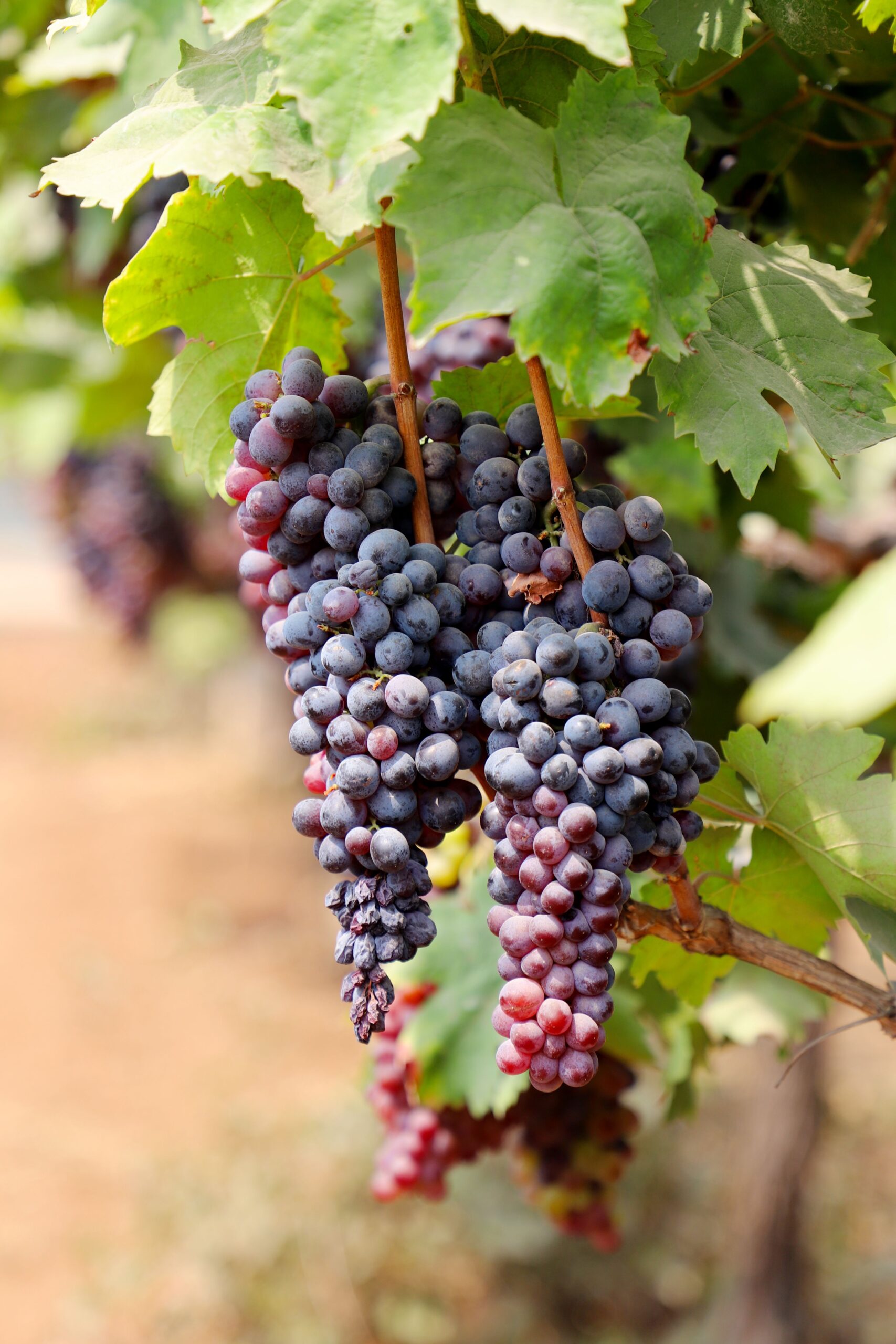
Most people doing wine country in California default to Napa or Sonoma, which means Amador County’s Gold Country wineries stay pleasantly uncrowded — no reservation scrambles, no $75 tasting fees, no valet lines. Sutter Creek is the smart home base for it. It’s a genuinely walkable Gold Rush town with tasting rooms on its own Main Street, and it puts you within a short drive of the Shenandoah Valley, the heart of Amador’s old-vine Zinfandel country.
This article may contain affiliate links. If you book or buy through one, California Wanderer may earn a small commission at no extra cost to you. As an Amazon Associate I earn from qualifying purchases.
This guide covers what to actually plan around: where to taste without moving your car, when a short drive is worth it, what a digital wine passport costs and how it works, where to stay, and a simple two-day structure so you’re not improvising the whole weekend.

Why Sutter Creek Is Your Best Base Camp
Sutter Creek earned the nickname “Jewel of the Mother Lode” honestly. Main Street is lined with balconied 19th-century brick buildings, wooden sidewalks, and the kind of antique shops and galleries that make a stroll between tastings genuinely pleasant rather than a formality. The town is a California Historical Landmark, population a little under 2,700, and small enough that you can park once and not touch your car again until you’re heading out to the vineyards.
That last part matters more than it sounds. A handful of tasting rooms sit directly on Main Street, so your first afternoon doesn’t require a designated driver at all — you can start tasting the moment you find parking.
Getting There
From Sacramento, the drive is roughly an hour: take Highway 16 (Jackson Highway) east through Rancho Murieta to Highway 49, then head south. The last stretch — about six miles of Highway 49 once you’re past Drytown — drops you straight into downtown Sutter Creek. There’s no direct freeway route from the Bay Area, so treat Sacramento as your real routing point and add whatever it takes you to get there first — most of the drive from the coast is spent getting to Sacramento, not covering the last, short stretch of Highway 49.
Wine Tasting You Can Walk To: Downtown Sutter Creek
Sutter Creek’s own visitor guide lists about a dozen Main Street tasting rooms, including Avio Vineyards, Bella Grace Vineyards, Baiocchi Wines, Miller Wine Works, Uphill Vineyards, and Scott Harvey Winery, whose winemaker has been producing Amador wine for over 40 years. None of these require a drive between stops; you’re walking storefront to storefront the way you would in a small downtown anywhere, except every third door is a pour.
This is the single biggest practical advantage Sutter Creek has over staying in, say, Plymouth or out in the Shenandoah Valley itself: you can taste seriously on your first evening without planning a single mile of driving.
The Digital Wine Passport, Explained
If you want a structured way to hit multiple wineries without pricing it out one tasting fee at a time, Amador County runs a digital wine tasting passport covering more than 40 participating wineries countywide, bookable through the Amador Vintners Association’s own CellarPass page. It’s mobile-only — no app, just a pass delivered by text or email that you show at the tasting room counter — priced at roughly $29 for a single day, $49 for two days, or $59 for 60-day access if you want to spread visits across return trips. Passes come with free cancellation if you book at least 24 hours ahead, which makes it a reasonably low-risk way to commit to a full day of tasting before you’ve decided exactly which wineries you’ll actually reach.
Worth the Short Drive: Shenandoah Valley’s Zinfandel Country

Amador County has more than 50 wineries under the Amador Vintners Association, and most of them cluster in the Shenandoah Valley near Plymouth, about 15–20 minutes north of Sutter Creek. This is genuine old-vine Zinfandel and Barbera country, and the region has the pedigree to back that up: Sobon Estate is an 1856 landmark still producing old-vine Zinfandel, Cooper Vineyards has made award-winning Barbera since the 1970s, and Terre Rouge & Easton produced the first 100-point wine ever scored out of the Sierra Foothills. If Sangiovese is more your thing, Vino Noceto has built its reputation on it for three decades.
The honest trade-off: Shenandoah Valley wineries are spread across rural roads rather than clustered on one street, so this is a driving day, not a walking one. Plan on it as a deliberate half-day trip out from Sutter Creek rather than something you squeeze in between Main Street tastings.
Beyond the Glass: Kennedy Mine & Gold Rush History
Wine isn’t the only reason Amador County exists as a destination. Jackson, immediately south of Sutter Creek on Highway 49, is home to the Kennedy Mine — its shaft reached nearly 5,900 feet, making it the deepest gold mine in North America at the time, before the U.S. government ordered non-essential gold mines shut down for the war effort in 1942. Guided tours run at 10am, 12pm, and 2pm during peak season for $15 (adults) or $7 (kids 6–12); a cheaper self-guided option runs $7/$3, and a second self-guided tour is free. From November through February, the site scales back to public tours on the second Saturday of the month only, so check the current schedule before you plan a winter visit around it.
It’s a genuinely different kind of afternoon than another tasting room, and it explains why this stretch of Highway 49 looks the way it does — half the towns along it, Sutter Creek included, exist because of the same 1848 gold discovery that built (and briefly emptied) half of California.
Where to Stay in Sutter Creek

Sutter Creek’s lodging leans historic bed-and-breakfast over chain hotel, which fits the town. The Sutter Creek Inn, at 75 Main Street, is the town’s best-known option — a 19th-century property right on the main drag, so you’re steps from the tasting rooms the moment you check in. The Eureka Street Inn is a quieter alternative just off Main Street if you’d rather not be directly above the foot traffic. Both are the kind of small, owner-run inns where you’re not choosing between generic hotel rooms — you’re choosing which century’s architecture you’d rather wake up in.

A Simple Two-Day Itinerary
Day one: arrive by early afternoon, check into your inn, and spend the rest of the day walking Main Street’s tasting rooms — you don’t need a car again until tomorrow morning. Have dinner downtown; Sutter Creek’s restaurant scene is sized for exactly this, a relaxed sit-down meal within walking distance of wherever you’re staying.
Day two: this is your Shenandoah Valley day. Drive north toward Plymouth and pick two or three wineries rather than trying to hit six — old-vine Zinfandel tasting rewards slowing down, not speed-running a checklist. If you’d rather trade an afternoon of driving for Gold Rush history, swap in the Kennedy Mine tour instead; either version gets you back to Sutter Creek by early evening for a last dinner before heading home.
What to Pack for a Wine Country Weekend
What to Pack for Sutter Creek & Amador Wine Country
- an insulated wine carrier — if you’re planning to actually buy a few bottles at the tastings, it keeps them safe (and cool) for the drive home instead of rattling around loose in your trunk.
- a packable blanket — several Shenandoah Valley wineries have outdoor picnic areas, and it means you’re not stuck at a crowded tasting bar the whole visit.
- comfortable walking shoes — Sutter Creek’s Main Street still has real wooden sidewalks and uneven historic paving, and a full afternoon of tasting-room-hopping is a lot more pleasant in the right pair.
Best Time to Visit
Gold Country summers run hot and dry, so spring (March–May) and fall (September–October) are the more comfortable windows for a weekend built around walking Main Street and standing in vineyard tasting rooms. Fall has the added upside of overlapping with crush season at several Shenandoah Valley wineries, if you want a chance at seeing actual harvest activity rather than just tasting the finished wine. Winter is quieter and cheaper, but double-check any specific tasting room’s hours before you go — some smaller Amador operations scale back off-season, and the Kennedy Mine’s tour schedule shrinks significantly from November through February.


Leave a Reply