
Palm Springs itself is a resort town — pools, mid-century architecture, brunch. The reason to rent a car anyway is everything within about an hour of it: a tram that climbs 8,516 feet in ten minutes, a fan-palm oasis in a spot that averages 100+ degrees at ground level, and one of the strangest national parks in the country. Quick answer: if you only have one day to spare, pick the Aerial Tramway for the fastest climate change you’ll ever experience, Indian Canyons for a shaded desert hike, or Joshua Tree if you’re willing to drive 45 minutes for genuinely otherworldly scenery. All three are doable from a Palm Springs hotel with no overnight bag required.
This article may contain affiliate links. If you book or buy through one, California Wanderer may earn a small commission at no extra cost to you. As an Amazon Associate I earn from qualifying purchases.
This article may contain affiliate links. If you book or buy through one, California Wanderer may earn a small commission at no extra cost to you. As an Amazon Associate I earn from qualifying purchases.
The Palm Springs Aerial Tramway
The Palm Springs Aerial Tramway is the fastest way to go from desert floor to alpine forest without getting on a plane. The rotating tram car climbs from the Valley Station (elevation roughly 2,600 feet) to the Mountain Station on Mount San Jacinto at 8,516 feet in about ten minutes, and the temperature drop is real — expect it to be 30 to 40 degrees cooler at the top. Once you’re up there, the Mountain Station connects directly to more than 50 miles of hiking trails in Mount San Jacinto State Park, plus a couple of restaurants if hiking isn’t the plan.
Before you plan around this one, check current status — the tramway closes every year for scheduled preventative maintenance, and as of this writing it’s shut down September 8 through October 4, 2026, with reopening expected October 5. That’s not a permanent condition, but it’s exactly the kind of thing worth confirming on the tramway’s own site before you build a day around it.
Round-trip tickets run $36.95 for adults, $33.95 for seniors (65+), and $20.95 for kids 3–10 (all prices include a small online processing fee). First tram up is typically 10am on weekdays and 8am on weekends and holidays, with the last tram down around 9:30–10:30pm depending on the season — check the tramway’s current hours and status page before you go, since both shift seasonally and around maintenance closures. Once it’s running again, tickets can also be bought online in advance rather than waiting in the ticket line at the base.
Indian Canyons: Hike a Desert Oasis

Indian Canyons is Agua Caliente Band of Cahuilla Indians land, and it’s the closest thing Palm Springs has to a secret weapon: a set of canyons — Palm Canyon, Andreas Canyon, and Murray Canyon — where natural springs support what’s billed as the world’s largest fan-palm oasis, a genuinely strange sight after 20 minutes of driving through open desert. Palm Canyon alone has a 15-mile trail network, but you don’t need anywhere near that much time; the first mile or two of the Palm Canyon Trail drops you into full oasis shade with a running (seasonal) stream, which is more relief from the sun than almost anywhere else in the valley.
Admission is $12 for adults, $7 for seniors (62+), and $6 for kids 6–12. Hours run daily 8am–5pm (last vehicle in at 4pm) from October through early July — but from July through early October, the canyons are only open Friday through Sunday, so confirm current hours before you drive out if you’re visiting on a weekday in late summer or early fall. If a guided introduction sounds better than figuring out the trail junctions yourself, a guided Jeep-and-hiking tour of Indian Canyons covers Palm Canyon and Andreas Canyon with someone who actually knows the area’s Cahuilla history, not just the trail markers.
Joshua Tree National Park

Joshua Tree is the day trip that actually requires planning, and it’s worth it. The park’s West Entrance, near the town of Joshua Tree, is about 37 miles and under an hour from central Palm Springs — noticeably closer than the South Entrance near Cottonwood, which runs closer to 50 miles and just over an hour. Unless you have a specific reason to enter from the south, use the West Entrance.
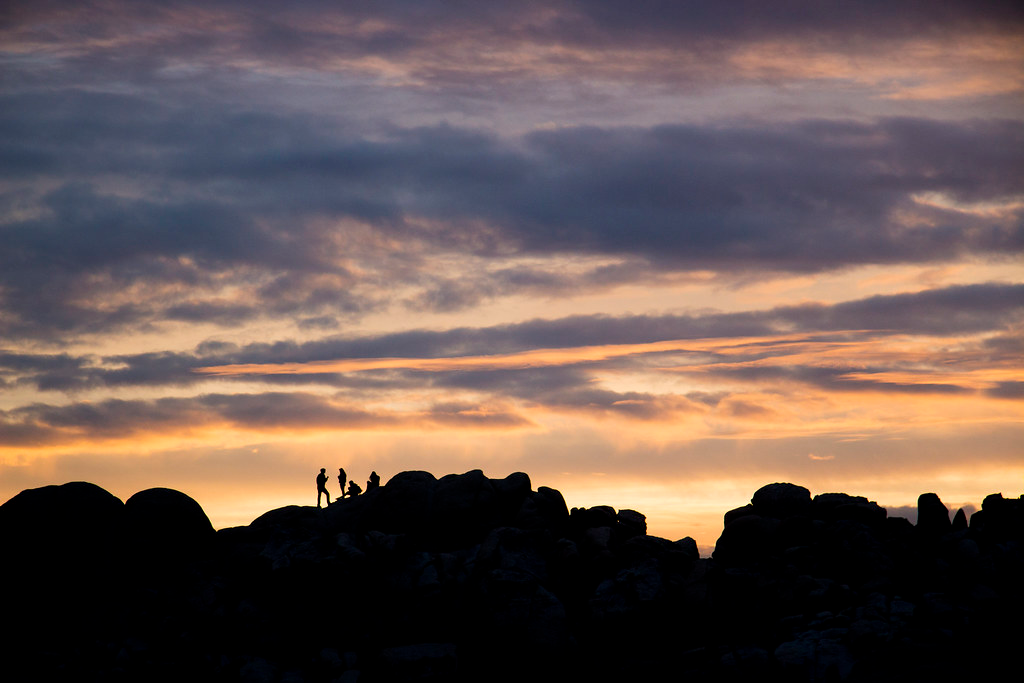
What you’re driving out for: sculptural granite rock piles (Jumbo Rocks and Hidden Valley are the easy, high-payoff stops), the Joshua trees themselves — actually a species of yucca, not a tree — and, if you can stay past sunset, some of the darkest skies in Southern California. The park is also a genuinely major rock-climbing destination, which is part of why the rock formations look the way they do up close: climbable, and climbed on constantly. A 7-day vehicle pass is $30; an annual park-specific pass is $55 — buy your pass or check current fee information directly through the Park Service rather than a third-party reseller.
Be honest with yourself about the heat. Coachella Valley day trips in general and Joshua Tree specifically are much less forgiving in summer — daytime highs regularly clear 100°F from May through September, there’s minimal shade along most trails, and cell service inside the park is unreliable at best. If you’re visiting between roughly May and September, plan for early morning or evening, not midday, and don’t treat a Joshua Tree hike like a stroll through a shaded canyon — it isn’t one. If you’d rather explore with an outfitter that handles the driving and logistics, browsing guided Joshua Tree tour options is a reasonable way to see guided options departing the area.

Beyond the Big Three: The Salton Sea and Pioneertown

If you’ve done the tram, the canyons, and Joshua Tree on previous trips — or you just want something odder — two more day trips are worth the drive.
The Salton Sea State Recreation Area sits about 35–40 minutes southeast of Palm Springs. California’s largest lake is also one of its strangest: an accidental 1905 flood created it, agricultural runoff has kept shrinking and concentrating it since, and the shoreline in places is made of pulverized barnacle shells rather than sand. It’s not a swimming beach anymore — expect “no lifeguard on duty” signage, not umbrellas and snack bars — but it’s a genuinely memorable, slightly post-apocalyptic stop if you’re curious rather than looking for a resort beach day.
Pioneertown, about 45 minutes north near Joshua Tree, is a different kind of odd: a functioning Old West movie set built in 1946 for Hollywood westerns, with a preserved main street you can walk for free and Pappy & Harriet’s — a genuinely good honky-tonk restaurant and music venue — anchoring one end of it. Neither of these needs a full day on its own; both pair naturally with a Joshua Tree trip if you’re already headed that direction.
What to Pack for a Palm Springs Desert Day Trip
What to Pack for a Coachella Valley Day Trip
- a wide-brim sun hat — Indian Canyons has real shade in spots, but Joshua Tree and the Salton Sea mostly don’t; a wide brim beats a baseball cap for actual neck and ear coverage.
- a large insulated water bottle — a large insulated bottle matters more here than almost anywhere else in California; there’s no shortage of trips that go sideways because someone brought a single 16oz bottle for a desert hike.
- a portable phone charger — cell service disappears fast once you’re in the canyons or deep in Joshua Tree, and a dead phone is a bigger problem out here than it would be almost anywhere else on this list.
Practical Tips for Day-Tripping from Palm Springs
A few things that make all three big stops go smoother:
Start early, always. Every destination on this list is meaningfully better before 10am — cooler, less crowded, better light for photos. This matters more in summer, but it’s true year-round.
Don’t chain all three in one day. The tramway, Indian Canyons, and Joshua Tree are each worth 3–5 hours done properly. Trying to hit all three in a single day usually means rushing all three; pick one, maybe two if they’re geographically compatible (Joshua Tree and Pioneertown pair well; the tramway and Indian Canyons are both close to town and can realistically be a half-day each).
Bring more water than feels necessary. This is the single most repeated piece of advice from every park ranger and hiking guide in the Coachella Valley for a reason.
For more of what’s worth doing without leaving Palm Springs proper, see our full guide to things to do in Palm Springs — this article is meant to pair with it, not replace it, for anyone planning a trip that’s more than a single afternoon.

Leave a Reply