
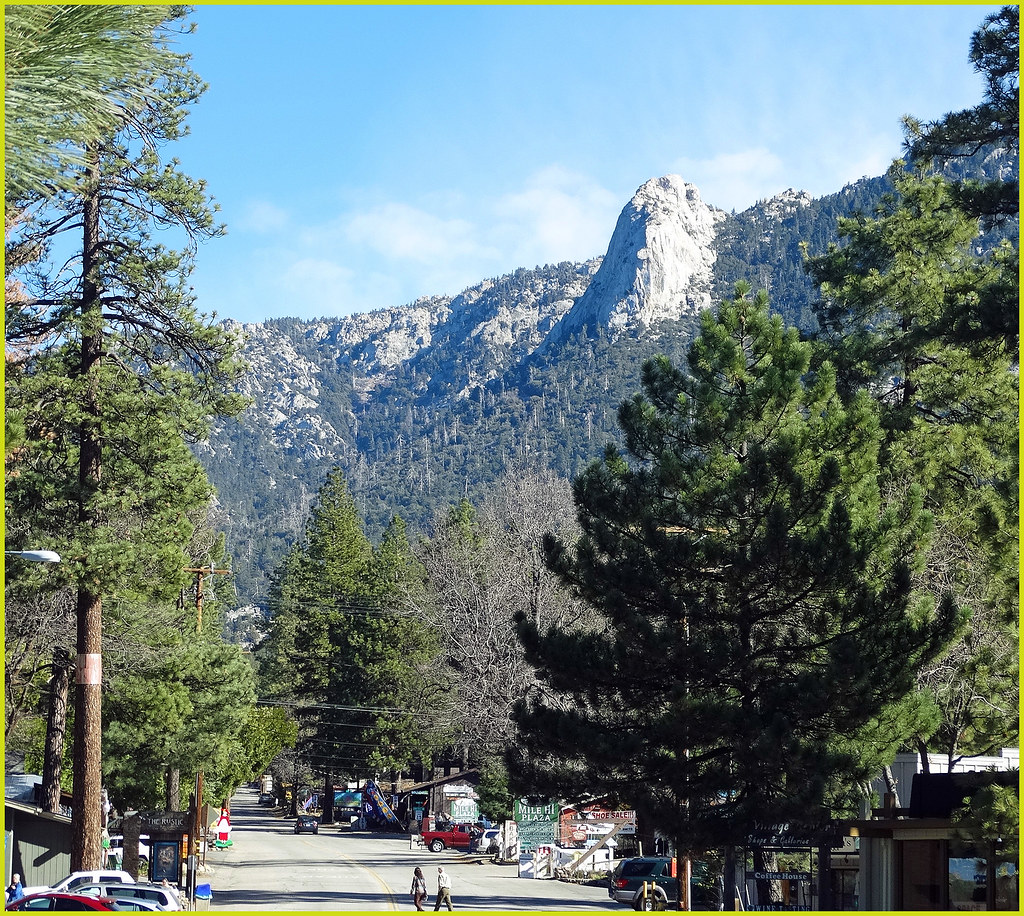
Two hours from Los Angeles or a little over an hour from San Diego, there’s a mountain town waiting with pine trees, cooler air, and a break from freeway traffic. The catch: Southern California actually has two of these towns, and they’re not interchangeable. Idyllwild is a climbing-and-hiking town built around a genuine wilderness. Julian is a gold-rush town built around apple pie and history. Picking the wrong one for what you actually want to do is the easiest way to end a good weekend feeling like you should’ve gone somewhere else.
Here’s the honest breakdown of what each town actually offers, who each one is really for, and what to check before you go — because both towns sit next to terrain that occasionally closes roads, and that’s worth knowing before you commit a Saturday to the drive.
This article may contain affiliate links. If you book or buy through one, California Wanderer may earn a small commission at no extra cost to you. As an Amazon Associate I earn from qualifying purchases.
Idyllwild vs. Julian at a Glance
Neither town is “better” in any general sense — they’re built around completely different things. Idyllwild is a hiking and rock-climbing town at 5,413 feet in the San Jacinto Mountains, with roughly 4,000 year-round residents. Julian is a Gold Rush-era mining town at 4,226 feet in the Cuyamaca/Laguna mountains of San Diego County, with under 1,800 residents. The table below is the fast version; the sections after it go deeper on each.
| Idyllwild | Julian | |
|---|---|---|
| Best for | Hiking, rock climbing, forest quiet | History, apple pie, easy day-trip charm |
| Elevation | 5,413 ft | 4,226 ft |
| From LA | ~106 miles, ~2–2.5 hrs | ~140 miles, ~2.5–3 hrs |
| From San Diego | ~110 miles, ~2.5 hrs | 57 miles, ~1 hr 22 min |
| Lodging character | Rustic cabins, vacation rentals | Historic B&Bs, inns |
| Signature activity | Hiking Suicide Rock / Devils Slide Trail | Gold mine tours, pie shops, gem panning |
Idyllwild: Real Mountains, a Real Climbing Town
Idyllwild didn’t become a hiking and climbing town by accident. It sits inside the San Jacinto Wilderness, right along the Pacific Crest Trail, and the granite formations towering over downtown — Tahquitz Peak and Suicide Rock — are serious enough that the Yosemite Decimal System, the scale climbers everywhere use to rate route difficulty, was actually developed here in the 1950s. This isn’t a town with a nice view. It’s a town built at the base of a real climbing destination.

The Devils Slide Trail to Suicide Rock is the classic Idyllwild hike, and it delivers exactly what you’d want: switchbacks through pine forest that open up into a massive granite overlook with the whole valley below. One thing trips up first-timers — a free wilderness permit is required for both day hikes and overnight trips into the San Jacinto Wilderness. Self-issue stations run 24/7 at the San Jacinto Ranger District station and at Stone Creek Campground, five miles north of town, so this isn’t a bureaucratic hurdle — it’s a five-minute stop, not a reason to skip the trail.
Downtown itself is small, walkable, and genuinely arts-focused — Idyllwild Arts Academy has shaped the town’s character for decades, and you’ll notice it in the galleries and craft shops lining the main strip. Look for “Harmony,” the carved wood sculpture of a bear, mountain lion, and other local wildlife that’s become the town’s unofficial landmark, tucked right into the shopping district.

If hiking isn’t the plan, Idyllwild still works as a quieter mountain escape — coffee shops, a handful of solid restaurants, and pine-forest air that’s a genuine relief from a 90-degree valley floor in summer. Just don’t expect much nightlife; this is an early-to-bed mountain town, not a resort town.
Julian: Gold Rush History and Genuinely Good Pie
Julian’s whole identity traces back to February 1870, when a formerly enslaved prospector named Fred Coleman found gold in a creek near town, setting off a real gold rush that briefly turned Julian into a tent city of hopeful miners. The gold didn’t last, but the town did — it pivoted to apple farming not long after, when a settler named James Madison hauled a wagonload of young apple trees into the mountains and they actually thrived in Julian’s cooler, higher-elevation climate.

That gold-rush history is still walkable today. The Eagle and High Peak Mine runs daily guided tours through an actual hard-rock mine shaft, and the Julian Mining Company lets you pan for gold and gems on weekends — genuinely fun for kids, and not just a gift-shop version of the real thing. Main Street’s historic downtown is lined with buildings dating back to the 1880s and 1890s, including the 1914 Town Hall and the two-cell Julian Jail.
Then there’s the apple pie, which is not an exaggeration or a tourist-brochure line — it’s the actual reason a lot of people drive up from San Diego on a Saturday. Julian Pie Company and Mom’s Pie House are the two names everyone mentions, and during the Julian Fall Apple Harvest (mid-September through mid-November), the lines at both genuinely run out the door. If you’re visiting in fall, plan around that — go early, or expect to wait.
For a slower afternoon, Volcan Mountain Wilderness Preserve and Cuyamaca Rancho State Park both offer real hiking a few minutes outside downtown, and a handful of small wineries — Menghini Winery and Volcan Mountain Winery among them — give the area a genuine wine-country feel most visitors don’t expect from an apple-pie town.
Where to Stay: Rustic Cabins vs. Historic Bed-and-Breakfasts
This is where the two towns actually diverge the most, and it’s worth thinking about before you book. Idyllwild’s lodging leans toward rustic cabins and vacation rentals — wood-sided, pine-shaded, often with a fireplace and a deck, built for a weekend of hiking boots drying by the door. It’s not resort-polished; it’s genuinely “mountain cabin,” which is exactly the appeal for most people who come here.

Julian’s lodging leans the other way: historic bed-and-breakfasts and small inns, several occupying actual gold-rush-era buildings, with the kind of wraparound porches and antique furniture that fit the town’s whole 1870s identity. If you want a genuinely different vibe from a standard hotel room, Julian’s B&B scene delivers it more consistently than Idyllwild’s rental-heavy market does.
Neither town has a large hotel inventory, so if you’re set on a specific weekend — especially during Julian’s fall apple season or a busy Idyllwild hiking weekend — book earlier than you think you need to. You can browse current places to stay in Idyllwild or current Julian bed-and-breakfasts and inns to get a sense of what’s actually available for your dates.
Getting There — and Checking Current Conditions
From Los Angeles, Idyllwild is about 106 miles and roughly 2 to 2.5 hours via Highway 243, which climbs steeply out of Banning into the San Jacinto Mountains. From San Diego, Julian is a much shorter trip — 57 miles, about 1 hour 22 minutes via Highway 78 through Ramona and Santa Ysabel. Either drive is genuinely scenic, not just a means to an end.

One honest caveat, and it applies more to Idyllwild than Julian: Highway 243 is a two-lane mountain road that has closed before, both for wildfire (a vehicle fire briefly shut the highway near Banning in late August 2026) and for winter storm damage in past years. It’s typically reopened quickly — that August closure cleared the same day — but a mountain road through fire country is never a 100% sure thing. Check Caltrans’ live conditions page for Highway 243 before you leave, especially in late summer and fall fire season. Julian’s access via Highway 78 sits in lower, less fire-prone terrain and is a more reliably open drive.

So, Which Town Is Right for You?
If you’re coming from LA and want a real hike — something with elevation gain, granite, and a payoff view — Idyllwild is the better use of your drive time. It’s a genuine outdoor destination, not just a pretty backdrop.
If you’re coming from San Diego and want an easy, low-effort day trip with history, food, and a good excuse to bring the kids, Julian wins on convenience alone — that 57-mile, 82-minute drive is hard to beat, and gold-panning plus pie is about as kid-friendly as a day trip gets.
Families with younger children who aren’t up for a real mountain hike will generally have an easier day in Julian. Serious hikers and anyone chasing a genuine wilderness escape should point toward Idyllwild. And if you’ve got a full weekend and don’t want to choose: the two towns are roughly 2.5 hours apart by car, connected via I-15 and Highway 79 through the Cuyamaca/Anza-Borrego backcountry — ambitious, but genuinely doable as a two-town weekend loop if you want both a hike and a slice of pie.
Practical Tips for Your Visit
Both towns sit well above sea level, so pack layers even in summer — Idyllwild’s evenings run noticeably cooler than the valley floor, and Julian sees real winter weather, including occasional snow. A daypack, a refillable water bottle, and real hiking shoes (not sandals) matter more in Idyllwild than Julian, where most of the “hiking” is Main Street.
Fall is arguably the best season for either town — Julian’s Apple Harvest runs mid-September through mid-November, and Idyllwild’s forest genuinely cools off and thins out its summer crowds. Late spring works well too, before peak summer heat pushes valley residents up into the mountains on weekends.
If a real mountain hike is part of your plan, a few things are worth having before you go: a proper daypack, lightweight hiking layers, and a set of trekking poles make a real difference on Idyllwild’s steeper trails.


Leave a Reply