
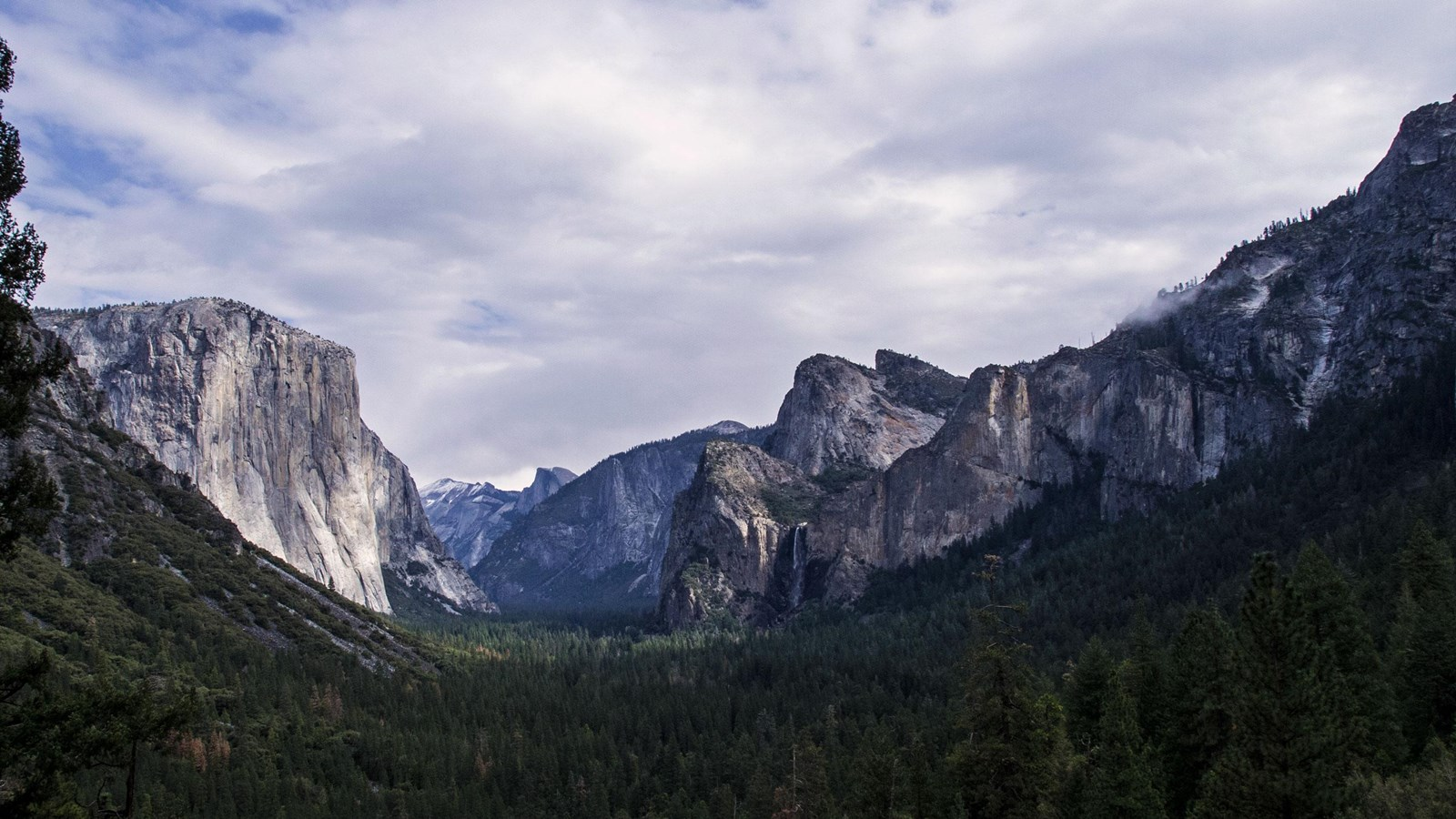
Yosemite doesn’t have one front door. It has four year-round entrances scattered across three different highways, plus a fifth that only opens for about five months a year — and which one you should be sleeping near depends entirely on which one you’re driving through.
This article may contain affiliate links. If you book or buy through one, California Wanderer may earn a small commission at no extra cost to you. As an Amazon Associate I earn from qualifying purchases.
Get the entrance wrong and you’re adding an hour or more of driving onto every single day of your trip, both directions. Get it right and you can be inside the park before the parking lots fill up. Here’s what’s actually near each entrance, who it’s realistic for, and where to book.
Yosemite’s entrances, quickly
Four entrances stay open year-round: Big Oak Flat (Highway 120, from the west), Arch Rock (Highway 140, also from the west), South Entrance (Highway 41, from Fresno/the south), and Hetch Hetchy (a separate, more remote road off Highway 120 that most visitors skip). A fifth, Tioga Pass on the east side, only opens once the snow clears — usually late May or June — and closes again by November, with the exact dates set by that year’s weather, not a calendar.
One piece of good news for 2026 planning: Yosemite is not requiring a separate timed-entry vehicle reservation this year, so a valid park pass or entrance fee is all you need at the gate — no advance booking window to plan your check-in time around. That’s one less logistics problem stacked on top of picking where to stay.
Below, lodging is grouped by the entrance it actually serves — not by neighborhood name, which is how a lot of “where to stay near Yosemite” guides end up sending people 45 minutes out of their way.
Coming from the Bay Area or Sacramento: Big Oak Flat Entrance (Highway 120)

If you’re driving up I-580 and I-205, Big Oak Flat is your entrance, and Groveland — a small former Gold Rush town about 25 minutes outside the gate — is the obvious base. It’s also the entrance you want if your plan includes Hetch Hetchy or the Tuolumne Grove of giant sequoias, both of which branch off this same road.
For travelers who want a full resort experience without leaving the Yosemite bubble, Rush Creek Lodge & Spa sits about a mile from the entrance station itself — pools, a full-service spa, and organized activities make it the pick for families or anyone who wants the lodging to be part of the vacation, not just a place to sleep.
If you’d rather put your money toward park days than hotel amenities, Yosemite Westgate Lodge in Groveland proper is the more budget-conscious motel-style option, still well inside a 30-minute drive of the gate.
Coming from San Francisco: Arch Rock Entrance (Highway 140)

Highway 140 through Merced is the most direct route from the Bay Area, and it has a real advantage the other western entrances don’t: it stays open and drivable year-round without the winter tire-chain concerns that hit the higher-elevation approaches. El Portal, the small community that sits right along the Merced River just outside the gate, is the closest place to actually sleep.
Yosemite View Lodge is the standout pick here — it’s directly on the Merced River about ten minutes from the Arch Rock entrance station, and a number of rooms have private balconies or patios facing the water. Because Highway 140 also runs directly into Yosemite Valley itself, this is arguably the best-positioned of the western gateway towns if the Valley (Yosemite Falls, Half Dome, Tunnel View) is most of what you came for.
Mariposa, about a 30-minute drive further out on the same highway, has a wider spread of budget chain hotels if El Portal’s smaller inventory doesn’t have what you need for your dates.
Coming from Fresno or LA: South Entrance (Highway 41)

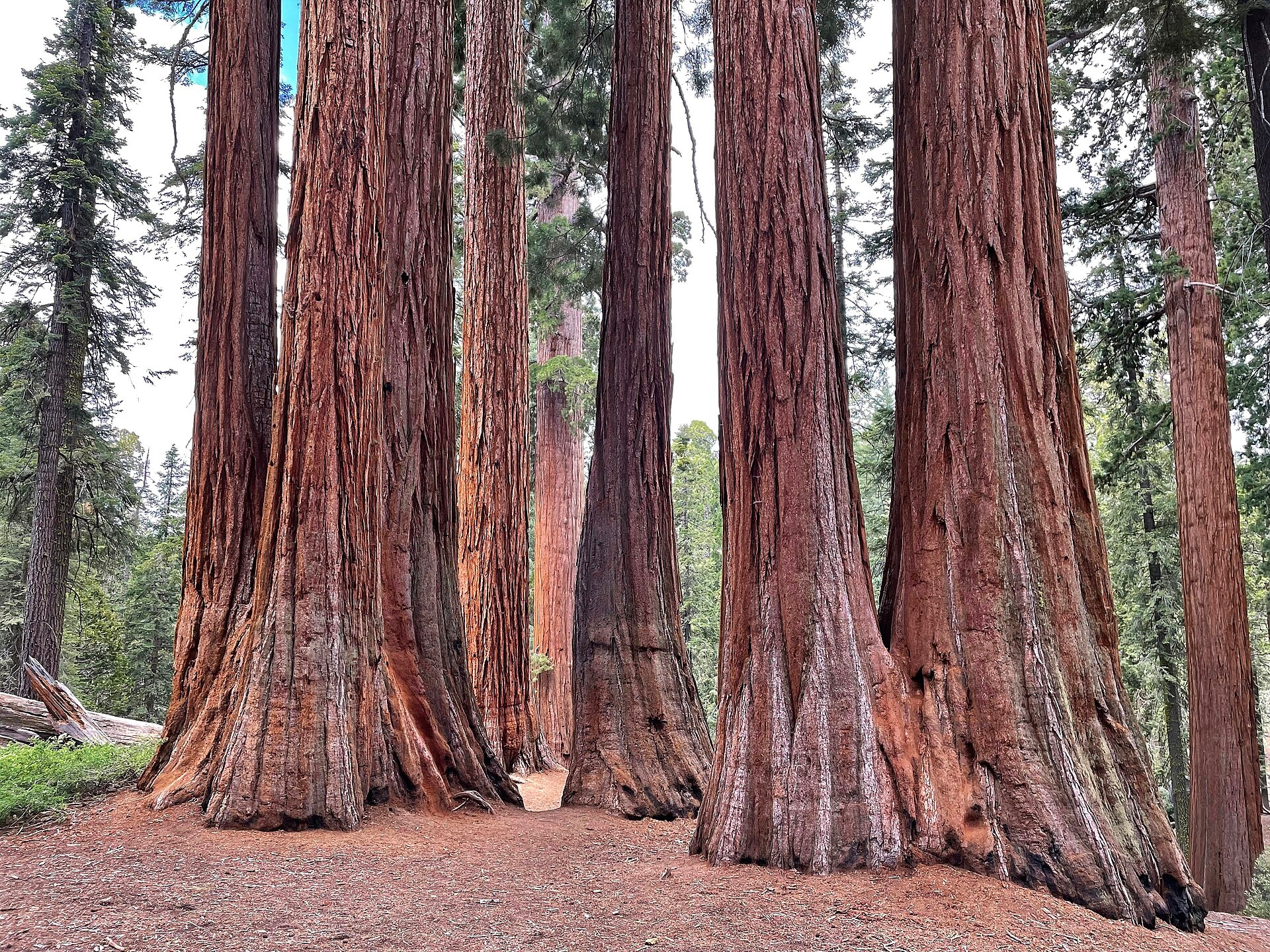
If you’re approaching from the south, Highway 41 puts you at the South Entrance, and it’s the natural choice if the Mariposa Grove of Giant Sequoias — Yosemite’s largest sequoia grove, and one of the most popular stops in the entire park — is on your list. The grove’s welcome plaza sits just inside this entrance.
Tenaya at Yosemite, in the small community of Fish Camp about two miles from the gate, is the closest full-service resort option on this side of the park — pools, several dining options, and easy access to Mariposa Grove without needing to drive further into the park first.
Inside the park boundary itself, right near this entrance, sits the Wawona Hotel — a National Historic Landmark dating to 1879 and one of the only ways to actually sleep inside Yosemite outside Yosemite Valley. It’s a genuinely different experience from a modern hotel (creaky floors, no TVs or air conditioning in most rooms, a wraparound veranda), and it’s booked directly through the park’s own lodging concessioner rather than through a general hotel-booking site, so plan to reserve it well in advance for summer dates. Oakhurst, about 15 minutes further south, is the area’s main budget-lodging town if Fish Camp’s smaller inventory is booked up or outside your price range.
Coming from the east: Tioga Pass (seasonal only)
The Tioga Pass entrance is the only way into Yosemite from the eastern Sierra — useful if you’re coming from Reno, Mammoth Lakes, or continuing on from Mono Lake — but it’s genuinely seasonal, typically open from late May or June through some point in October or November depending entirely on snowfall. Check the park’s current road conditions page before you plan a trip around it, especially in shoulder season.
Lee Vining, right at the base of the pass on the east side, is the closest town with services, but its small lodging inventory has been unreliable in recent years — at least one longtime property near the pass has been closed for extended stretches after storm damage. Given that, be skeptical of any specific recommendation for this side of the park and verify current availability and operating status directly before booking, rather than assuming a name you’ve seen elsewhere is still open.
So which entrance should you actually use?
If you’re not sure, work backward from your route, not from a hotel you’ve already found:
Driving up from the Bay Area on I-580? Big Oak Flat, base in Groveland. Taking Highway 140 through Merced? Arch Rock, base in El Portal — and lean this way if Yosemite Valley itself is your main destination. Coming from Fresno, LA, or anywhere south on Highway 41? South Entrance, base in Fish Camp or Oakhurst, and lean this way hard if Mariposa Grove is a priority. Only coming from the east side of the Sierra, and only between roughly late May and October? Tioga Pass, with a real caveat to double-check what’s actually open before you commit to it.

A few practical notes before you book
Whichever entrance you pick, book your Yosemite-adjacent hotel well before your park days — gateway-town inventory is genuinely limited compared to a big city, and it sells out for summer weekends and holiday periods months out, not weeks. If you’re visiting between roughly November and April, tire chains can be required on some of these approach roads with little notice; it’s worth checking conditions the morning you drive up rather than assuming your normal tires will be fine. And however tempting it is to try to save a night’s lodging by driving in from further away, remember that entrance-station lines and the drive itself eat directly into your park time — the closer base is almost always worth the extra cost per night if it buys you real hours in the park instead of on the road.
Leave a Reply