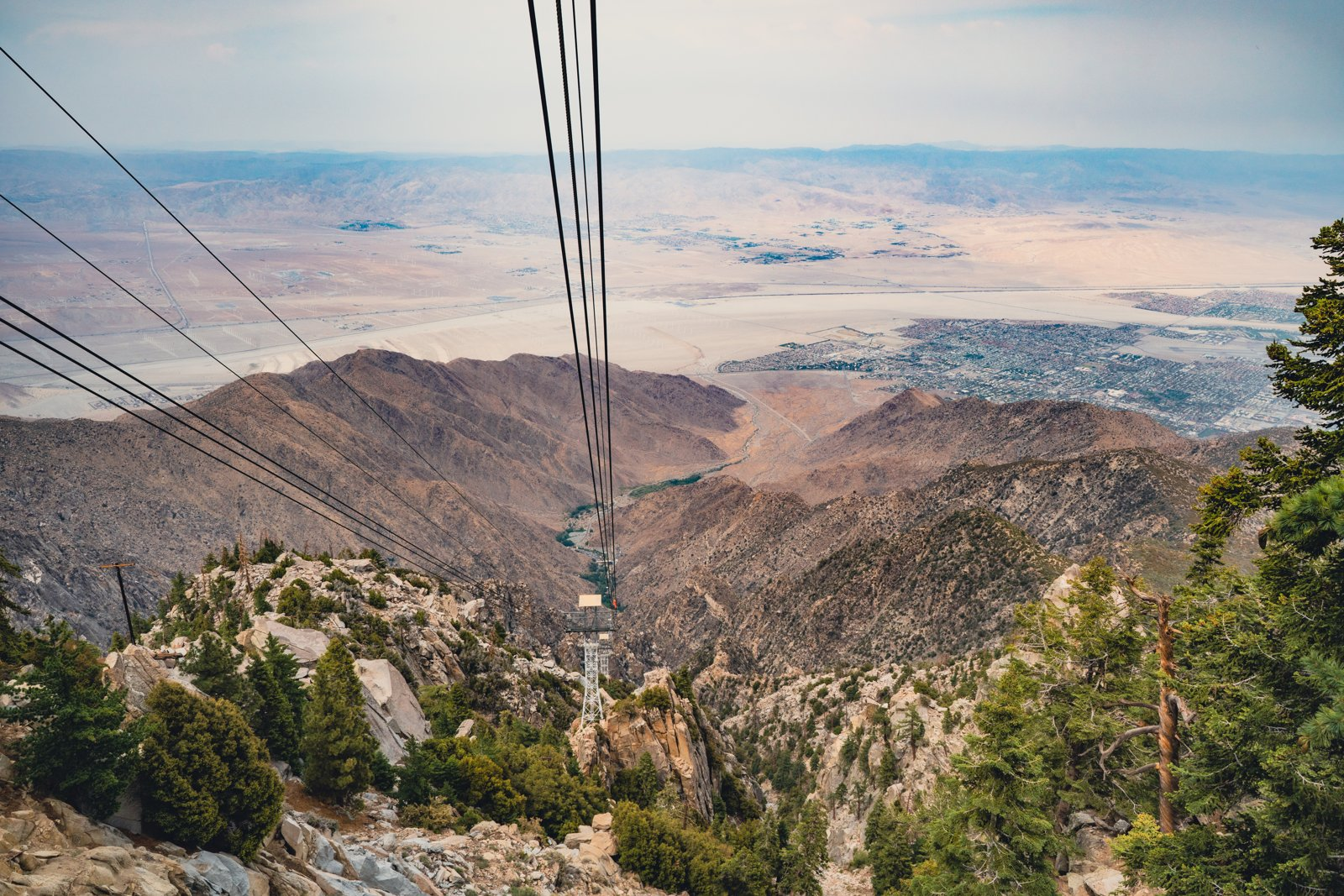
Palm Springs packs an odd trick: drive twenty minutes from a 100-degree valley floor and stand in alpine pine forest at 8,500 feet. That contrast is basically the whole appeal of the place, and it shapes almost everything worth doing here — dry desert glamour at street level, cool mountain air one tram ride away, and a downtown built around slow mornings and long dinners in between.
The quick answer: ride the Aerial Tramway for the single best view in the Coachella Valley, hike Indian Canyons for real fan-palm oases most visitors skip, and spend an evening walking Palm Canyon Drive — ideally on a Thursday, when VillageFest turns the whole street into a night market. Everything else on this list fits around those three.
This article may contain affiliate links. If you book or buy through one, California Wanderer may earn a small commission at no extra cost to you. As an Amazon Associate I earn from qualifying purchases.
| Activity | Best for | Time needed | Cost |
|---|---|---|---|
| Palm Springs Aerial Tramway | Views, cooler air, day hikes | 2–4 hours | ~$37 adult round-trip |
| Indian Canyons | Palm-oasis hiking | 2–3 hours | $12 adult |
| Downtown / Palm Canyon Drive | Shopping, dining, people-watching | 1–3 hours | Free to walk |
| Mid-century architecture tour | Design fans, photographers | 1–2 hours | Free (self-guided, by car) |
| Palm Springs Art Museum | A/C break, rotating exhibits | 1–2 hours | $25 adult (free Thu. 5–8pm) |
| The Living Desert (Palm Desert) | Families, desert wildlife | Half day | Check current rates |
Ride the Palm Springs Aerial Tramway

The world’s largest rotating tramcar climbs from the desert floor near Chino Canyon to the Mountain Station at 8,516 feet, and the cabin turns a full 360 degrees on the way up so nobody’s stuck facing the wrong window. The temperature at the top typically runs 30–40 degrees cooler than the valley — genuinely useful information in July, and a good excuse to bring a packable layer even when it’s 95 degrees at the bottom.
Once at the top, over 50 miles of trails fan out through Mount San Jacinto State Park, from the easy 1.5-mile Desert View Trail to the full 11-mile round-trip slog up San Jacinto Peak. Day-use hiking is free; only overnight wilderness permits carry a fee. Arrive right at opening — 8am on weekends and holidays, 10am on weekdays in winter — to beat both the crowds and the ticket line, and book tickets online in advance rather than showing up cold.
One planning note worth building a trip around: the tramway closes for roughly a month every year for scheduled maintenance, typically in September, so it’s worth confirming current hours directly with the tramway before finalizing a visit.
Hike Indian Canyons
Indian Canyons, on Agua Caliente Band of Cahuilla Indians land at the south end of town, is the counterintuitive Palm Springs hike: a genuine desert oasis, with year-round streams feeding groves of native California fan palms that have grown here for centuries. Palm Canyon, Andreas Canyon, and Murray Canyon each offer a different version of the same surprise — actual shade and running water a few miles from a golf-course-and-pool skyline.
Admission runs $12 for adults, $7 for seniors and students, $6 for kids 6–12, and it’s free with a valid U.S. military ID. Hours shift seasonally: daily 8am–5pm from October through early July, then Friday–Sunday only during the hottest stretch of summer. Confirm current hours before driving out, since the schedule and occasional closures change year to year.
Explore Downtown and Palm Canyon Drive

Downtown Palm Springs is built for an easy, low-effort evening: walkable blocks of vintage and design shops, patio restaurants, and the Palm Springs Walk of Stars underfoot. It’s dense enough to fill a couple of hours without a car, and mellow enough that “wander and see what’s open” is a perfectly good plan.
Time it for a Thursday if possible. That’s when VillageFest takes over Palm Canyon Drive with a pedestrian street market — more than 180 vendors selling crafts, produce, and food, plus live music and dogs welcome. Hours run 6–10pm October through May and 7–10pm in the hotter months, June through September.
See the Mid-Century Modern Architecture

Palm Springs became a mid-century design capital in the 1950s and ’60s, when architects like Albert Frey, Richard Neutra, and William Krisel built low, glassy houses meant to blur the line between indoors and desert. A self-guided driving tour past homes like the “House of Tomorrow” (built for Robert Alexander, later a honeymoon stop for Elvis and Priscilla Presley) covers most of the highlights in an hour or two, map in hand.
One thing worth being upfront about: these are private homes. The tour is a slow drive-by and a photo from the street, not an open house — respect the driveways and the residents, and save the interior views for Modernism Week in February, when a limited number of homes actually open their doors for ticketed tours.
Visit Palm Springs Art Museum

The museum’s collection runs from contemporary glass and California modernism to Native American art, inside a building whose own architecture (by E. Stewart Williams) is worth the visit on its own. It’s also a smart midday move if the desert heat gets to be too much — a genuinely air-conditioned couple of hours between outdoor activities.
General admission is $25 for adults, $23 for seniors, and $17 for students and teachers; anyone under 18 gets in free. The museum is closed Monday through Wednesday, and admission is free every Thursday from 5–8pm, which is the easiest way to see it on a budget if the schedule lines up.
Day Trip to The Living Desert (Palm Desert)
About 20 minutes from downtown Palm Springs, The Living Desert Zoo and Gardens in Palm Desert pairs a real zoo — cheetahs, giraffes, bighorn sheep — with botanical gardens focused on desert plant life from around the world. It’s built for a half-day trip and works well as the one kid-friendly stop on an otherwise adult-paced itinerary; check current hours and admission before visiting, since both shift seasonally.
Where to Stay
Palm Springs hotels split fairly cleanly into a few personalities, and picking the wrong one for the trip is an easy way to have a worse time than necessary.
Ace Hotel & Swim Club is the funkier, more affordable pick — a converted 1965 Denny’s-era motor lodge turned into a laid-back boutique property with a lively pool scene and a younger crowd. Good fit for a first Palm Springs trip on a real budget.
The Parker Palm Springs is the other end of the spectrum: a Jonathan Adler-designed resort with manicured grounds, multiple pools, and a genuinely indulgent spa. It’s the pick for an occasion trip rather than a quick weekend.
Sparrows Lodge goes the opposite direction from both — a small, adults-only, ranch-style property built for quiet. No pool parties, no kids, just hammocks, fire pits, and an intentionally slow pace. Good for a couples trip that isn’t about nightlife.
Whichever direction fits, book the actual dates in mind rather than guessing — rates in Palm Springs swing hard between the cooler high season (roughly November through April) and the brutal summer discount months.
Best Time to Visit

October through May is the real answer, and by a wide margin. Daytime highs sit in the comfortable 70s and 80s, evenings cool off enough for a jacket, and every outdoor activity on this list — the tramway hike, Indian Canyons, VillageFest — is genuinely pleasant rather than a heat-management exercise.
Summer (June through September) means regular triple-digit highs, sometimes well past 110. It’s also when hotel rates drop hard, which is a real trade-off some visitors make on purpose — just plan around air-conditioned time and an early tram ride if visiting then, and skip the midday canyon hike entirely.

Getting There
Palm Springs International Airport sits close enough to downtown that most hotels are a 10–15 minute drive away, and it’s a straightforward two-hour drive from Los Angeles or a little under that from San Diego. A car is close to essential for reaching Indian Canyons, The Living Desert, and the architecture tour — downtown itself is walkable, but the rest of the valley is spread out.