
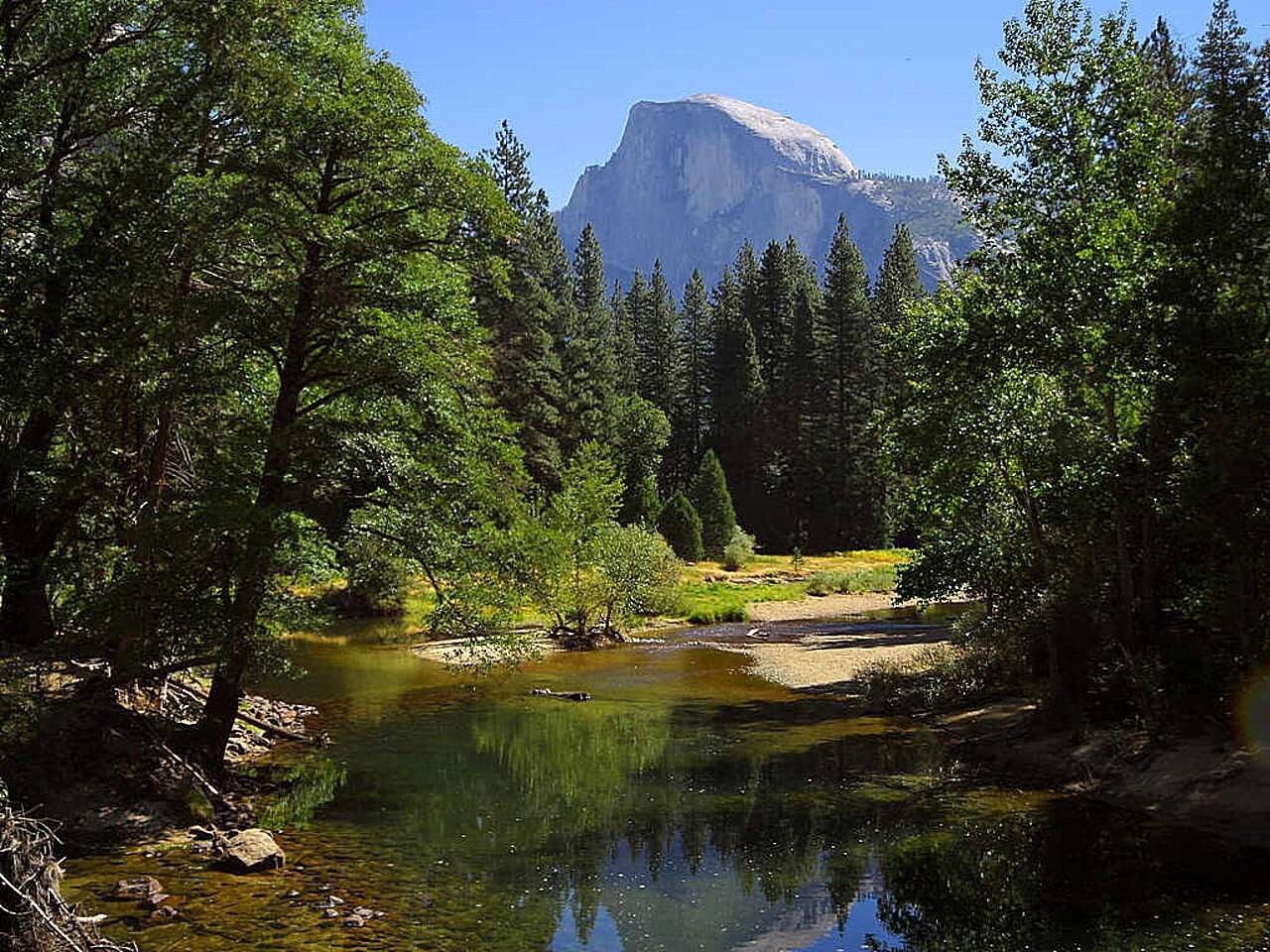
Half Dome’s summit isn’t the hard part. Getting a permit for the cables is. Every single day the cables are up, you need a permit to climb the last 400 feet past Sub Dome — and more people get shut out by the lottery than by the hike itself. Right now, for the current season, the cables are up and the daily lottery is running. Here’s exactly how the permit system actually works, what your real odds are, and what to do if you don’t win.
This article may contain affiliate links. If you book or buy through one, California Wanderer may earn a small commission at no extra cost to you. As an Amazon Associate I earn from qualifying purchases.
Do You Actually Need a Permit?
Only for the cables — the steep final pitch above the base of Sub Dome, where steel cables and wooden crossbars are the only thing between you and a very long fall. The approach hike from Yosemite Valley, the climb through Little Yosemite Valley, and Sub Dome itself are all open to anyone with a valid wilderness or day-use plan that doesn’t otherwise require its own permit. You can hike the entire route to the base of Sub Dome — a genuinely huge day, over 8,000 feet up — and turn around there without ever needing a Half Dome permit.
The permit is checked. Rangers stationed at the base of the cables verify permits before letting anyone start up, and hiking the cables without one is a citable offense, not a technicality nobody enforces.
How the Half Dome Lottery Actually Works
There are two separate lotteries, run through Recreation.gov, and they work differently enough that conflating them is where most people get confused.
| Preseason Lottery | Daily Lottery | |
|---|---|---|
| When you apply | March 1–31, for the entire upcoming season | 2 days before your hike date |
| Results | Mid-April | Same night, late |
| Application window | All of March | Midnight–4pm Pacific, 2 days out |
| Group size | Up to 6 people per application | Up to 6 people per application |
| Alternates allowed | Yes | No |
| Application fee | $10, non-refundable | $10, non-refundable |
| Permit fee (if awarded) | $10 per person | $10 per person |
The preseason lottery is the one to use if you’re planning a real trip around a confirmed date — flights, lodging, time off work. It runs the entire month of March on the National Park Service’s own Half Dome permit page, for every date in the upcoming cable season, and winners find out in mid-April. You can name alternates on your application — people who can fill a spot if someone in your group drops out — but each person can only be a permit holder or alternate on one preseason application per season, so coordinate with your group before everyone applies separately.
The daily lottery isn’t just a backup plan for people who missed March. It draws from a much smaller pool of last-minute applicants, and for weekday dates especially, it’s a genuinely live option. Apply two days before the date you want to hike, between midnight and 4pm Pacific time, and you’ll know by that night. No alternates in the daily lottery — every applicant is either a holder or nothing.
A maximum of 225 day-hiker permits are issued per day (on top of a separate allocation for backpackers), so the daily and preseason pools are both drawing against that same hard ceiling.

Your Realistic Odds
The most recent full season the Park Service has published complete numbers for is 2024: 35,289 people applied for the preseason lottery, and 22% got a permit. The daily lottery saw 35,561 applications with a 19% success rate. Saturday is the most requested day by far — about 21% of all applications — and also has the worst odds. Monday and Thursday get the fewest applications and the best odds.
Those are 2024 numbers, not a guarantee for any specific date this year — the Park Service hasn’t published season-specific odds for the current year at the time of writing, and application volume shifts year to year. Treat them as a directional guide (weekdays beat weekends, and it’s genuinely competitive either way), not a promise.
Fees, Cancellations, and Group Rules
Every application costs $10, whether or not you win, and that part is never refunded. If you’re awarded a permit, there’s an additional $10 per person in your group. That per-person fee is refundable in full if you cancel by 11:59pm Pacific the day before your hike date — so if plans change, cancel rather than no-show, both for the refund and because it opens the spot back up.
Permits aren’t transferable, and buying or selling one isn’t a gray area — it’s against the rules, and Yosemite doesn’t look the other way on it. If someone in your group can’t make it and wasn’t named as an alternate, they simply can’t join that hike.
If You Don’t Win a Permit
There’s no walk-up line and no ranger discretion — a permit is the only way past the base of Sub Dome, full stop. If your group doesn’t win, that trip isn’t the one where you do the cables.
That doesn’t mean the day is wasted. The hike to Sub Dome’s base, without ever touching the cables, is already a legitimate destination — you’re above 8,000 feet with a huge view of the valley and the back side of Half Dome itself, and plenty of hikers plan to stop there on purpose. It’s also worth looking at Yosemite’s other trails instead of building an entire trip around one lottery you don’t control; California Wanderer’s Yosemite hiking trails guide covers other day hikes across the park worth planning around if Half Dome doesn’t come through.
Weather, Season, and Timing

The cables typically go up the Friday before Memorial Day and come down the day after the second Monday in October, weather and trail crew schedules permitting — those dates shift slightly year to year, so confirm current status on the Park Service’s conditions page before you finalize plans, especially near either end of the season.
Afternoon thunderstorms are the real hazard, not the cables themselves. The Park Service’s own lightning safety guidance is blunt about why: in July 1985, lightning on Half Dome killed two people and injured three more, and the exposed granite near the summit is one of the worst places in the park to be caught in a storm. Thunderstorms are most common June through September and tend to build in the afternoon, which is exactly why the standard advice is to summit before noon and be well off the exposed rock before storms typically develop. Most successful permit holders start hiking in the dark, well before sunrise — plan your alarm around that, not around your permit’s calendar date.
One current, practical wrinkle worth knowing before you pick a route: through October, the Mist Trail’s upper section is closed to hikers on weekday mornings and early afternoons for trail work, so a weekday cables hike currently means starting via the John Muir Trail instead. Check the conditions page above for the exact current restriction before you commit to a route.
What to Pack for the Half Dome Cables
- via ferrata cable-climbing gloves — the steel cables get slick with sweat and dust, and via-ferrata or gardening-style gloves save your palms on the climb up and, more importantly, give you a much better grip coming back down.
- a reliable headlamp — a pre-dawn start is standard for this hike, not optional, and you’ll want both hands free on the approach trail in the dark.

Where to Stay the Night Before
Because a Half Dome hike day starts hours before sunrise, where you sleep the night before matters more than usual — a long drive into the park in the dark eats into the sleep you actually need. California Wanderer’s guide to where to stay near Yosemite, broken down by entrance, can help you pick a base close to the trailhead instead of figuring it out at 3am.


Leave a Reply